News
Enact laws on marriage list, dowry reduction, a Nigerian Pastor, Apostle John Okoriko urges State Govt


*We are working on recommendation – A’Ibom Council of Chiefs
The reasons and causes of delayed marriages in Akwa Ibom State and other states in the NIGERIA were identified on Sunday by the founder and president of Solid Rock Kingdom Church, Apostle John Okoriko.
Apostle John Okoriko, was one of the guest contributors in a panel discussion with the topic ” The negative impacts of exorbitant marriage list on Akwa Ibom State”, organized by the marriage committee of the Solid Rock Kingdom Church Headquarters, Uyo, Akwa Ibom State capital.
Apostle Okoriko in his contribution, said, tradition and culture hindered young ladies and men from getting married, noting that the exorbitant and high price of items required by some families in their marriage lists as tradition and culture, not only caused delay in marriages but health issues like depression, high blood pressure, mental stress and corruption.
The clergy advised that tradition and culture that promote exorbitant marriage list need to be discarded, saying because Akwa Ibom girls are not sale.
He recalled that, because of tradition, poor families years ago, instead of using money to train their wards in schools, instead were using resources gotten from borrowing, upright sale of lands and properties in building tombstones because of tradition and culture.
Apostle Okoriko called on christian families in the state to ensure that items in marriage list in the state are reduced to encourage marriages among young ladies and men in the state.
He called on Akwa Ibom State Government, to send executive bill to the Akwa Ibom State House of Assembly for uniformity in marriage list, minimal required items and reduction in dowries. This, according to him, would reduce prostitution rate, looting of public funds to satisfy would-be father-in-laws and other crimes in the state.
The paramount ruler of Eastern Obolo, HRM Edidem, John Harry Etotor said greed and covetousness among parents caused delay in their children marriages.
The monarch recalled that in ancient days, men married their wives as a result of closeness to the father-in-laws, being hardworking and honest, noting that civilization, quest for wealth acquisition brought high cost in marriage and exorbitant marriage list.
He said, as a member of Akwa Ibom State Council of Chiefs and vice chairman of roles and ethics committee, that the council is concern about the high cost of marriage in the state, and that the committee is working on a recommendation to the Akwa Ibom State Government on marriage list issues.
HRM Edidem John Etotor, however, noted that ladies should not look for a man with wealth, cars and other earthly things before getting married. Urging men not to wait until they acquired all the wealth before getting married, seeing these as reasons for delayed marriages in the state.
Other panelists were Elder David Maurice Mkpokporo, Mary Richard Nnaewi, Elder Juana, Uduak Ukoh, Emmanuel Ukoh and anchored by Nkereuwem Ntuk, further identified poor economic situation in the country, unemployment, idol worshipping like “awa adia” and slaughtering of sheep, goat etc, for first daughters by some families, peer group influence, search for ready-made men and ladies, father-in-laws quest for prosperity and unnecessary tradition as some reasons for marriage delay in the state.
They harped on the Biblical standard, practice and teaching as the solution to the exorbitant marriage list in the state.
The Resident Pastor of Solid Rock Kingdom Church Headquarters, Uyo, Pastor Etop Nathaniel Okoko in his contribution, encouraged ladies to always intervene and talk to their parents to reduce the high dowries in the state.
He called on government, community leaders, family and village heads, churches to play their roles in marriage stability in the state.
In his homily, Pastor Etop Nathaniel spoke on the topic: “Follow a warrior” and took his text from Matt. 15:14.
He admonished christians to always follow a warrior, describing a warrior as someone who has found a path, an achiever, good leader, God-fearing individual, saying people we follow can influence our lives positively or negatively.
The cleric, said, sometime in Israel, they lack warriors until God caused a warrior to emerged among them, that some people because of ignorant and fear, failed to act as warriors.
He assured christian that God knows what they are passing through and would send them warriors.
According to Ikpaisong Reporters, the service featured song renditions, prayers, testimonies, ministration and distribution of free Bible translated in Ibibio language.



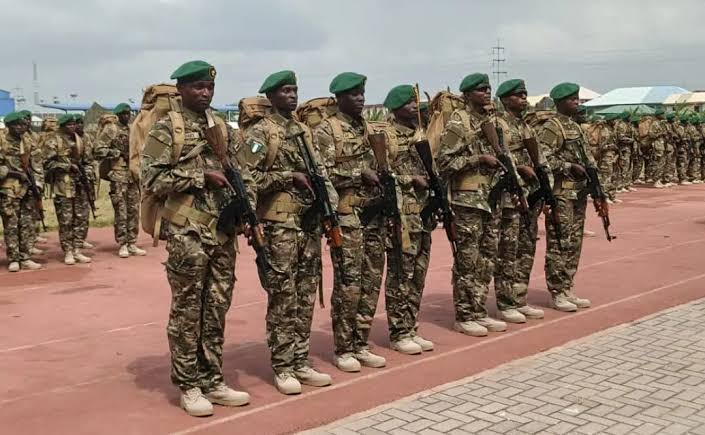
The Nigerian Navy has rescued two kidnapped victims and recovered several stolen outboard engines during an operation against suspected sea robbers and kidnappers in Ibeno, Akwa Ibom State.
The operation was carried out on September 30 by the Maritime Quick Response Team of Nigerian Navy Ship (NNS) JUBILEE in Ibeno, following intelligence reports about criminal activities targeting fishermen in the area.
The Director of Naval Information, Navy Captain Abiodun Folorunsho, disclosed the development in a statement, explaining that the suspected criminals had been attacking fishermen, taking away their boats and stealing their outboard engines”
Suspects Flee as Navy Launches Pursuit
According to the Navy, its personnel encountered two boats believed to have been operated by the suspected criminals during the operation.
The occupants reportedly fled into nearby creeks after sighting the naval team, prompting the personnel to pursue them.
During the chase, the suspects abandoned one of their boats, which contained several stolen outboard engines and the two kidnapped victims.
The naval team subsequently rescued the victims and escorted them to safety, while the recovered engines were secured for verification and further necessary action.
Navy Intensifies Efforts to Track Suspects
The Navy said efforts were ongoing to locate and apprehend the fleeing suspects, adding that the operation reflected its commitment to protecting lives and securing legitimate maritime activities across the country’s waterways.
Folorunsho also emphasised the importance of intelligence sharing and cooperation with coastal communities in tackling maritime crimes.
He urged fishermen, residents of coastal communities and other maritime stakeholders to report suspicious activities and provide timely information that could help security agencies respond to threats.
The Navy reaffirmed its commitment to sustained patrols, search-and-rescue operations and intelligence-driven interventions to protect lives and property along Nigeria’s waterways.
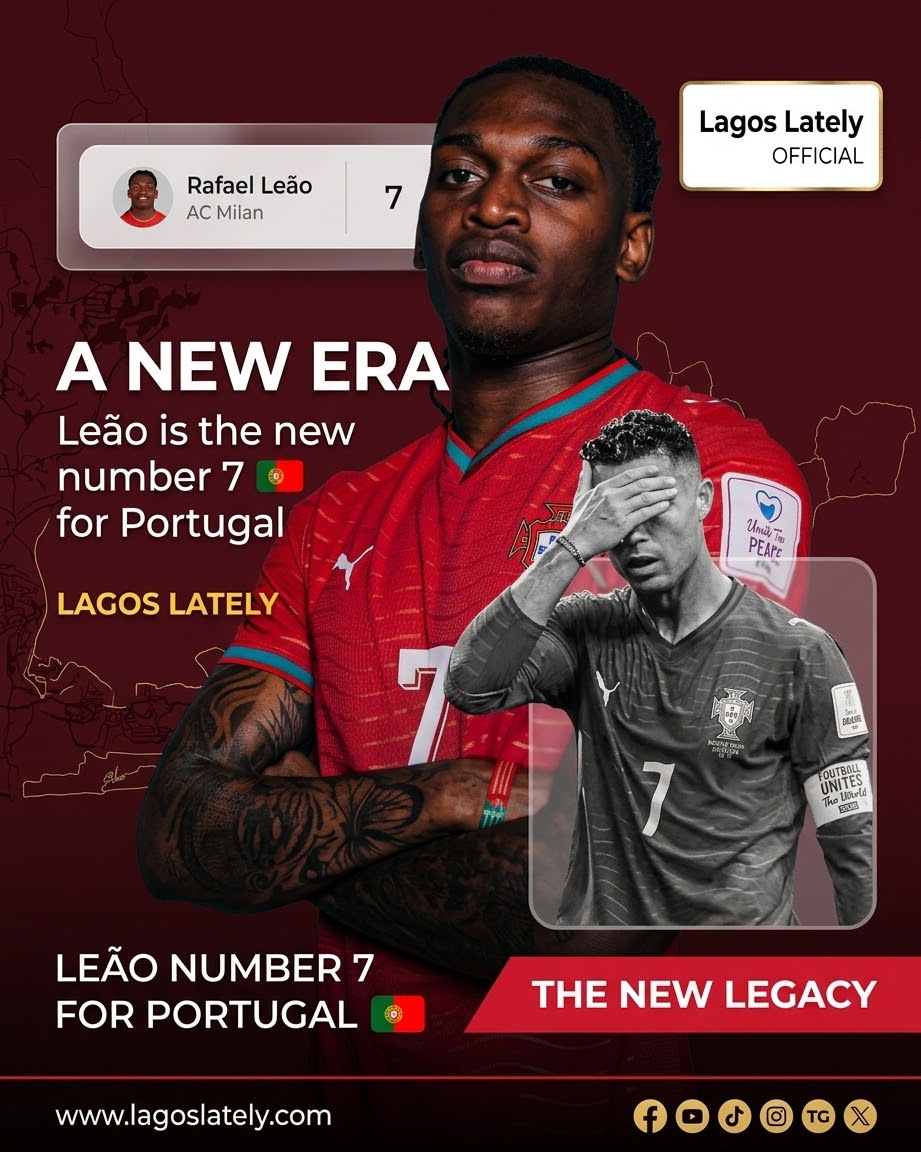
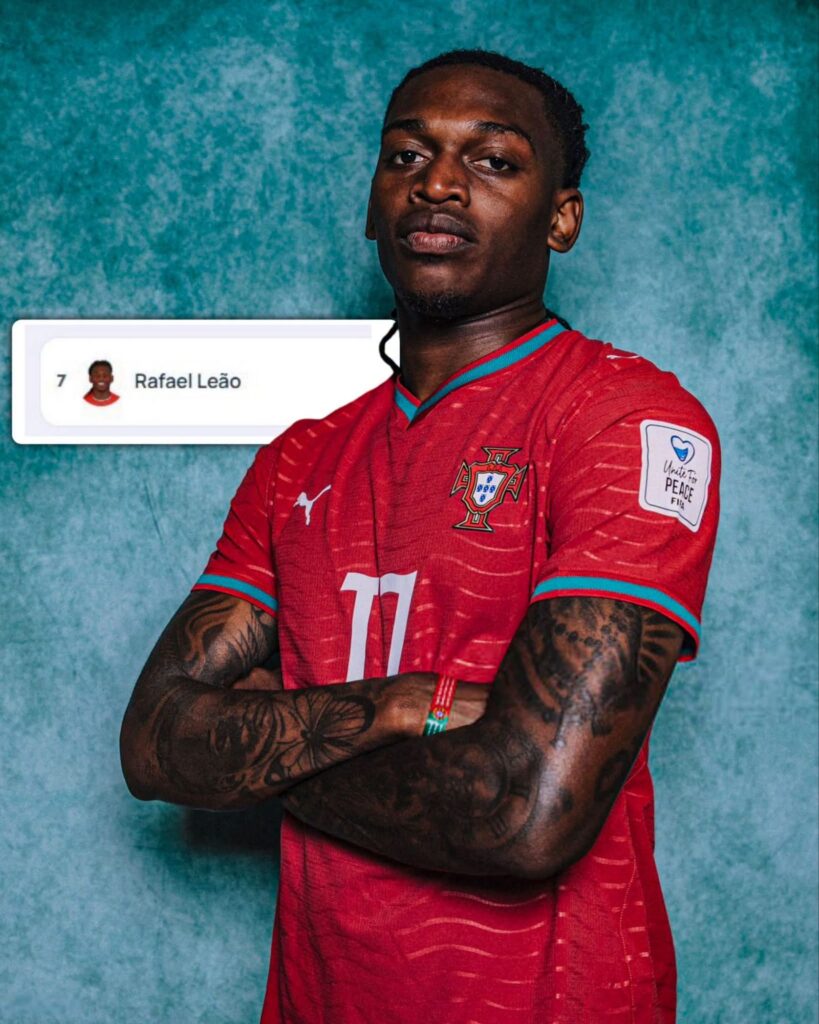
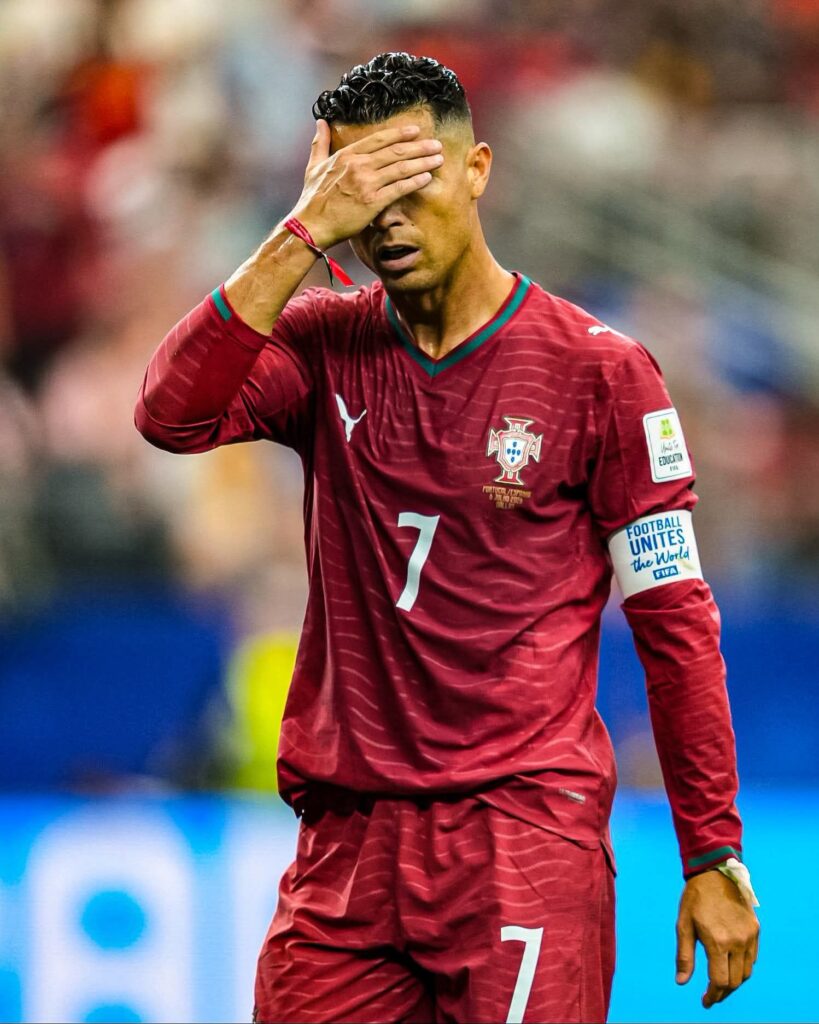
Barely hours after football legend; Cristiano Ronaldo announced his departure from the national team camp, his iconic number 7 shirt has officially been given to Rafael Leão in a move that has set social media alive.
The No. 7 is among the most closely watched shirts in world football, and the speed of the handover is what has fans talking. There was no long gap between one chapter ending and the next beginning, and Leão is now the face of that change.
Leão, a left winger who plays his club football in Europe, has been a regular in the national setup in recent years. Taking over the shirt places him at the centre of Portugal’s attacking plans and gives him one of the biggest responsibilities in the squad.
Supporters are already debating whether he can carry the weight of the number.
Reactions online are split between excitement and nostalgia. Some see the announcement as a bold statement that Portugal is ready to move forward with a new generation. Others say it will take time to accept anyone else in the shirt. Either way, all eyes will be on Leão the next time he steps onto the pitch wearing it. 👀
Neither the Portuguese football federation’s full statement nor any comment from Leão himself had been widely reported at the time of writing, and further details are expected.
Is Leão the right man to inherit the No. 7 shirt? Tell us in the comments.

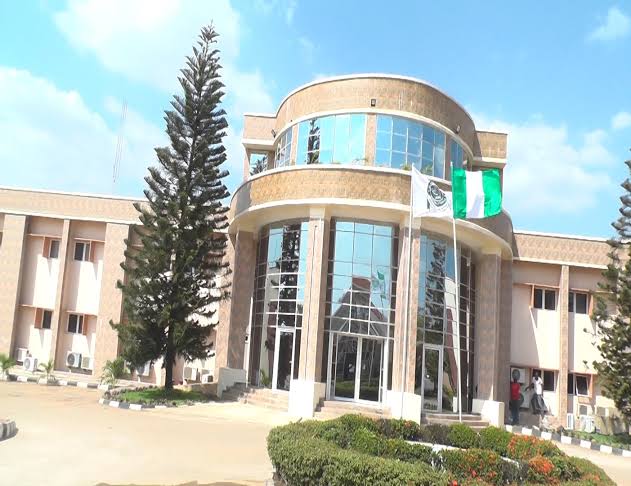
The Joint Admissions and Matriculation Board (JAMB) has extended the deadline for candidates with outstanding admission offers from the 2021 to 2025 admission exercises to accept or reject the offers.
The new deadline is November 30, 2026, giving affected candidates an additional two months to update their admission status on the Central Admissions Processing System (CAPS).
JAMB had previously fixed September 30 as the deadline for candidates to take action on outstanding offers. The latest extension followed a temporary disruption of the CAPS platform, which was reportedly unavailable for about 96 hours.
JAMB Warns Candidates Against Missing New Deadline
The board described November 30 as the final deadline for candidates affected by the outstanding admission offers.
Candidates who wish to retain their previous admission offers are expected to log into their CAPS accounts and accept them. Those who no longer want the offers can reject them so that JAMB can update its records.
According to JAMB, candidates who accept their offers will be able to proceed with printing their admission letters.
The board also explained that candidates who are no longer studying at the institutions where they were previously offered admission, or who have changed programmes, may accept the outstanding admission and subsequently apply for the appropriate correction or deletion where necessary.
What Happens After November 30?
JAMB warned that candidates who fail to either accept or reject their outstanding offers by the new deadline will have the admissions reverted to “Not Admitted” on the board’s records.
Any subsequent request to update an admission record from the affected years will also attract the applicable penalty fee, according to the board.
JAMB further assured candidates who have already secured admission for the 2026 academic session that rejecting an outstanding admission offer from an earlier year will not affect their current admission.
The board urged all affected candidates to check their CAPS accounts and take the necessary action before the November 30 deadline.

 News3 years ago
Hardship: We Plan To Establish A National Commodity Board To Crash Food Prices – VP Shettima
- News8 years ago
Blog Reader; Samson Osagiede Celebrates Fiancè Benedicta Daniels’s Birthday With Sweet Words
- Home10 years ago
News Channel claims Donald Trump is an orphan from Pakistan,share alleged childhood photo
- Home10 years ago
Another $175m Found in Patience Jonathan’s wife’s firm’s Bank Account
 Sport8 years ago
Modric, Marta Wins 2018 FIFA Best Player Of The Year Awards ⚽️
- Home10 years ago
Oil Spillage: House of Reps Member Shares Photos of the Water her Constituents Drink .
- Home10 years ago
Zara Buhari & Ahmed Indimi’s Wedding Access Card
- News8 years ago
The Best Video You’ve Seen Today?