Politics
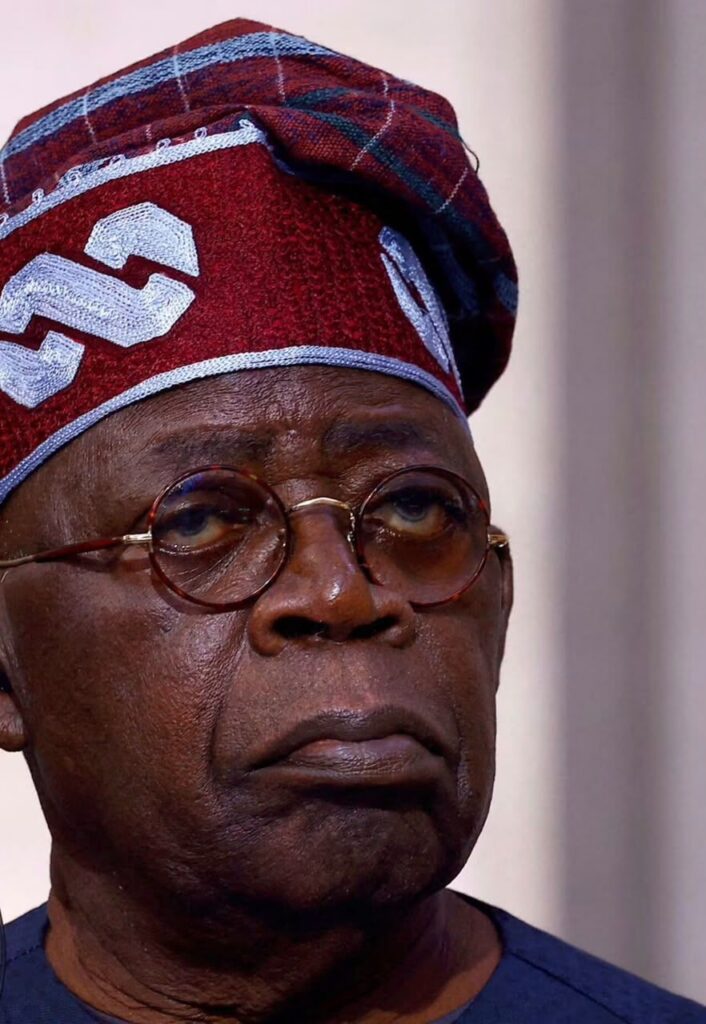
President Tinubu Departs for Turkey State Visit to Sign MOUs, Boost Bilateral Trade to $5 Billion

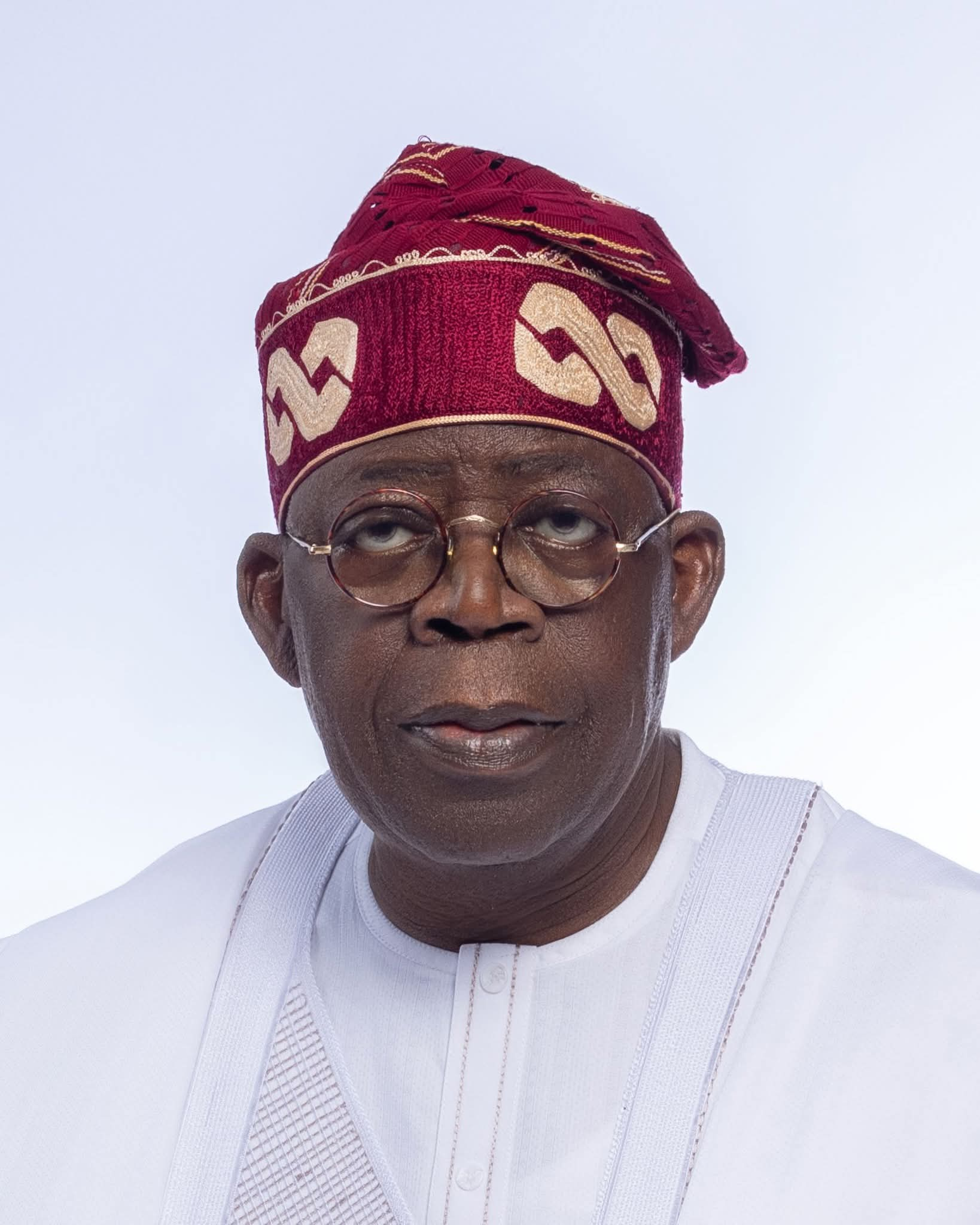
President Bola Tinubu departed Abuja on Monday, January 26, for an official state visit to the Republic of Türkiye aimed at deepening bilateral cooperation and expanding economic ties between both nations.
The visit, announced by Special Adviser on Information and Strategy Bayo Onanuga, represents a reciprocal engagement following Turkish President Recep Tayyip Erdoğan’s official trip to Nigeria in October 2021.
During the high-level engagements, President Tinubu and President Erdoğan will hold strategic political and diplomatic discussions focusing on shared priorities in finance, communication, trade and investment, with the goal of significantly expanding economic collaboration between the two countries.
The agenda includes meetings between senior officials from both nations and the signing of multiple memoranda of understanding covering scientific research, energy, technical cooperation, media and communications, military cooperation and diplomatic protocol.
A Nigeria-Türkiye business forum will bring together investors from both countries to explore new investment opportunities and strengthen private-sector partnerships across key economic sectors.
Members of the presidential delegation include Minister of Foreign Affairs Ambassador Yusuf Tuggar, Attorney General Prince Lateef Fagbemi, Minister of Defence General Christopher Musa, National Security Adviser Nuhu Ribadu, and Director-General of the National Intelligence Agency Mohammed Mohammed.
Other officials on the entourage are Minister of Women Affairs Hajiya Imaan Suleiman-Ibrahim, Minister of Interior Olubunmi Tunji-Ojo, Minister of Culture and Creative Economy Hannatu Musawa, and House Committee on Defence Chairman Jimi Benson.
The visit builds on an already substantial relationship between Nigeria and Türkiye, with bilateral trade currently exceeding one billion dollars annually. Both governments have formally set an ambitious target to expand trade to five billion dollars as part of broader economic diversification strategies.
In 2024, Turkish exports to Nigeria reached approximately 721 million dollars, while Nigerian exports to Türkiye totaled about 505 million dollars, demonstrating growing commercial exchanges between the two nations.
Beyond trade, the Nigeria-Türkiye partnership has taken tangible shape across multiple sectors including healthcare, education, manufacturing, agriculture and defence cooperation, moving beyond diplomatic pronouncements to practical collaboration.
Türkiye’s strategic geographic position straddling Europe and Asia, combined with its industrial capacity and security capabilities, makes it an important partner for Nigeria’s efforts to diversify international partnerships and strengthen economic resilience.
The visit also reflects Nigeria’s broader strategy of recalibrating partnerships toward countries that combine strategic geography, industrial depth and pragmatic diplomacy, positioning the nation as Africa’s gateway to global markets.
President Tinubu is expected to return to Nigeria at the conclusion of the state visit, with implementation of signed agreements set to commence shortly thereafter.


Former Vice President Atiku Abubakar has criticised the All Progressives Congress (APC)-led Federal Government, accusing the administration of worsening poverty and economic hardship across Nigeria.
Atiku made the remarks in a statement published on Thursday, October 1, 2026, where he questioned the economic direction of the country under the APC government.
The African Democratic Congress (ADC) chieftain argued that the administration’s economic policies had placed additional pressure on households and businesses, making it increasingly difficult for many Nigerians to meet their basic needs.
He maintained that government claims of economic progress should be measured against the living conditions of ordinary citizens rather than financial and economic statistics alone.
Atiku Questions Government’s Economic Performance
The former vice president has repeatedly criticised the Federal Government’s handling of the economy, particularly the removal of fuel subsidies and foreign exchange reforms.
In previous remarks, Atiku argued that rising petrol prices had increased transportation, production and food costs, leaving households with reduced purchasing power. He also called on President Bola Tinubu to consider measures that would ease the cost-of-living burden. (Channels Television)
He has also challenged the administration’s reliance on macroeconomic indicators to demonstrate progress, insisting that economic reforms should translate into improved living standards for Nigerians. (The Guardian)
Atiku’s latest criticism comes as political parties and their candidates continue preparations for the 2027 general elections, with the economy expected to remain a major issue in political discussions.
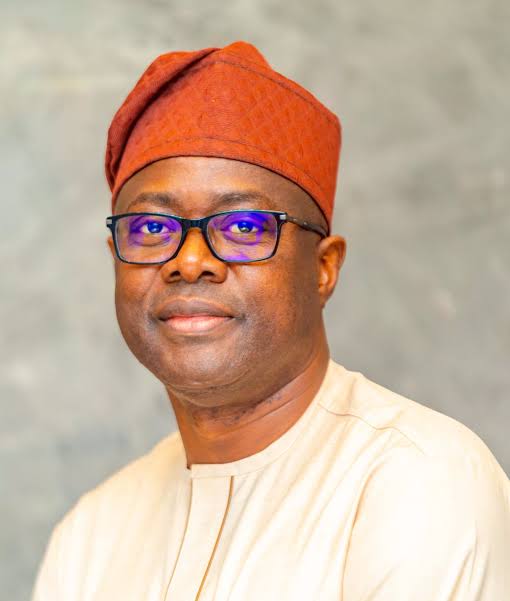
The presidential candidate of the Allied Peoples Movement (APM), Seyi Makinde, has said the outcome of the 2027 presidential election will be determined by Nigerian voters rather than wealthy individuals or the amount of money spent on campaigns.
Makinde made the statement on Monday at the APM North-Central Zonal Town Hall Meeting in Lafia, Nasarawa State, as part of the party’s engagements ahead of the 2027 election.
The Oyo State governor, who is campaigning under the “Reset Nigeria” agenda, said he did not believe the election would be decided by political commentators, opinion polls, the number of billionaires supporting candidates or the financial resources available to political campaigns.
According to him, the people of Nigeria would ultimately determine who emerges from the election.
Makinde also criticised the Federal Government’s handling of the economy, arguing that increased allocations to states had not necessarily translated into reduced hardship for citizens.
He acknowledged that states were receiving more money from the Federation Account but questioned whether the additional funds had resulted in meaningful progress in addressing hunger and other economic challenges.
The governor also spoke about Nigeria’s security situation, questioning the budgetary planning behind the establishment of additional army divisions. He said he had examined the 2026 budget for provisions relating to the new formations but could not identify the funding he expected for them.
Makinde outlines ‘Reset Nigeria’ agenda
The APM presidential candidate said his proposed “Reset Nigeria” programme would focus on four major areas: security, education, the economy and the country’s socio-political environment.
He said the programme could be implemented within four years if he becomes president, including changes to Nigeria’s security architecture and greater use of data and science in economic management.
Makinde further said his administration would commence a transition to a government of national unity from May 29, 2027, which he said would eventually lead to what he described as “new players and a new agenda” for Nigeria’s development.
The Lafia meeting formed part of the APM’s zonal consultations and political engagements ahead of the 2027 presidential election.

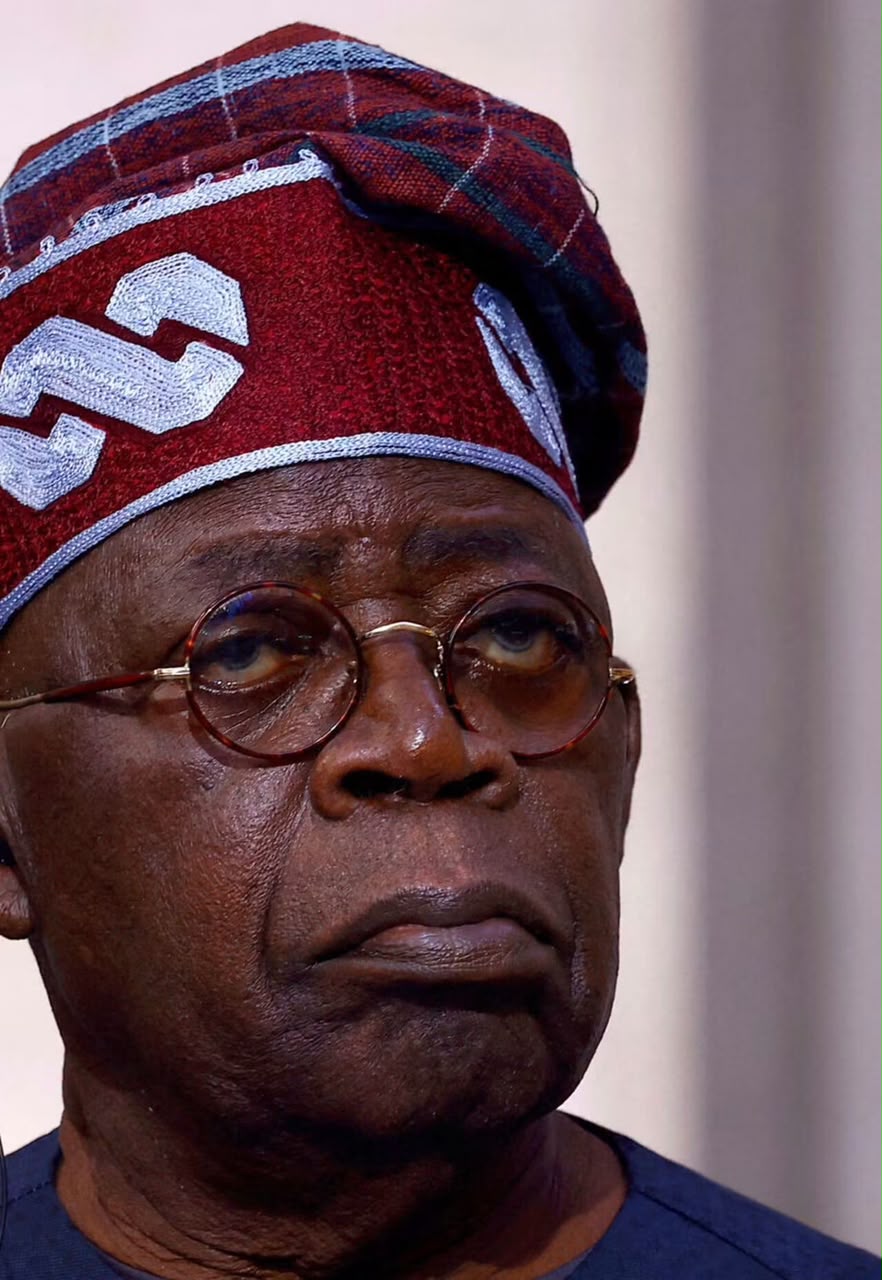
President Bola Tinubu has urged Nigerians not to lose hope in the country, assuring citizens that Nigeria is on the right path toward economic recovery, peace and sustainable development.
Tinubu made the remarks on Friday, September 25, 2026, during a special Juma’at prayer service at the National Mosque in Abuja, organised as part of activities marking Nigeria’s 66th Independence Anniversary. The President was represented at the event by the Speaker of the House of Representatives, Tajudeen Abbas.
According to Tinubu, his administration is addressing what he described as the “cumulative mistakes and missed opportunities” of previous governments. He said Nigerians had already endured the necessary sacrifices and that there was now “light at the end of the tunnel.”
“Nigerians have finished making sacrifices for this country to be great again.”
He further assured citizens that “peace is coming back to this country” and “development is coming back to this country,” adding that things would get better as Nigeria progresses in its democracy.
Tinubu also called for continued support for his administration, saying Nigerians should give the government more opportunity to complete the reforms and programmes it has begun.
Bola Tinubu’s remarks come as Nigerians prepare to mark the country’s 66th Independence Anniversary, with economic hardship, security and the effects of ongoing reforms remaining major issues in the national conversation.

 News3 years ago
Hardship: We Plan To Establish A National Commodity Board To Crash Food Prices – VP Shettima
- News8 years ago
Blog Reader; Samson Osagiede Celebrates Fiancè Benedicta Daniels’s Birthday With Sweet Words
- Home10 years ago
News Channel claims Donald Trump is an orphan from Pakistan,share alleged childhood photo
 Sport8 years ago
Modric, Marta Wins 2018 FIFA Best Player Of The Year Awards ⚽️
- Home10 years ago
Another $175m Found in Patience Jonathan’s wife’s firm’s Bank Account
- Home10 years ago
Oil Spillage: House of Reps Member Shares Photos of the Water her Constituents Drink .
- Home10 years ago
Zara Buhari & Ahmed Indimi’s Wedding Access Card
- News8 years ago
The Best Video You’ve Seen Today?