Politics
ADC Accuses National Assembly of Deliberately Frustrating Electoral Reforms Ahead of 2027 Polls

The African Democratic Congress has accused the National Assembly of deliberately frustrating critical electoral reforms by delaying passage of the Electoral Bill 2025, warning that continued inaction threatens the credibility of the 2027 general elections.
In a statement released on Saturday by National Publicity Secretary Bolaji Abdullahi, the party specifically targeted the APC-led Senate for stalling the legislation and warned against weakening or diluting key provisions including electronic voter accreditation and results transmission.
The ADC’s accusation comes as civil society organizations and election observers express mounting alarm over the Senate’s failure to conclude action on a bill already passed by the House of Representatives at third reading on December 23, 2025.
According to Abdullahi, the deliberate delay appears designed to prevent the implementation of reforms that could level the electoral playing field and reduce opportunities for manipulation that characterized the 2023 general elections.
“We are calling on the National Assembly to urgently pass the Electoral Bill 2025. Continued delays could undermine critical electoral reforms and threaten the credibility of the 2027 elections,” the ADC spokesman stated.
The Senate inaugurated a seven-member ad hoc committee on Thursday to review, harmonize and streamline senators’ contributions to the proposed amendments, following a three-hour closed-door executive session examining the Electoral Act Repeal and Re-Enactment Bill.
However, the ADC and civil society groups argue that further committee work at this stage represents another delaying tactic when time-sensitive reforms require immediate legislative action.
The Nigeria Civil Society Situation Room has joined ADC in condemning the delay, expressing grave concern that the Senate’s continued inaction undermines Nigeria’s electoral reform process and threatens timely preparations for the 2027 polls.
Situation Room noted that the Independent National Electoral Commission is legally required to issue the Notice of Election in February 2026, meaning any further slippage in passing the Electoral Bill could place the entire election cycle at risk.
The civil society coalition stressed that electoral reform is not routine legislation but a time-sensitive national obligation that requires urgent completion to allow INEC sufficient time to plan, implement and sensitize stakeholders under a revised legal framework.
The organization criticized the extended National Assembly recess extending into 2026 as inexcusable, noting that established democracies including the United Kingdom, United States, Kenya and South Africa maintain structured calendars allowing priority legislation to proceed even during recess periods.
Former Vice President Atiku Abubakar recently alleged that loopholes in the Electoral Act 2022 undermined the credibility of the 2023 general elections, stating that the law’s gaps enabled widespread rigging and made it extremely difficult for petitioners to win cases in court.
INEC had forwarded 142 post-election recommendations to the National Assembly in May 2025, with eight requiring constitutional or Electoral Act amendments, but lawmakers have shown limited urgency in addressing these technical concerns raised by the electoral umpire.
The Electoral Bill seeks to address critical deficiencies observed in recent elections, including clearer legal backing for electronic transmission of results, provisions for early voting, and tougher sanctions for electoral offenses.
Under current timelines, if the Senate fails to conclude action on the bill within the coming weeks, the proposed reforms will automatically lapse, meaning Nigeria would head into another election cycle under the same 2022 Electoral Act whose gaps and ambiguities were exposed during the 2023 polls.
The Civil Society Legislative Advocacy Centre has also called on the National Assembly to fast-track critical legislative reforms, particularly electoral-related bills, emphasizing that electoral reform remains a core demand of Nigerian citizens following lessons from the 2023 general elections.
ADC warned that the APC government appears more focused on retaining power than implementing reforms that ensure free and fair elections, noting that even under the current timetable, incumbent structures at state and federal levels are already campaigning.
The party urged lawmakers to demonstrate leadership, foresight and patriotism by prioritizing electoral reforms that reflect the aspirations of Nigerians rather than partisan political calculations aimed at maintaining advantages for the ruling party.
Civil society organizations have vowed to intensify public pressure on the Senate to prioritize the Electoral Bill immediately upon resumption from recess, with plans for advocacy campaigns demanding accountability from lawmakers who continue to delay electoral reform legislation.


Former Vice President Atiku Abubakar has criticised the All Progressives Congress (APC)-led Federal Government, accusing the administration of worsening poverty and economic hardship across Nigeria.
Atiku made the remarks in a statement published on Thursday, October 1, 2026, where he questioned the economic direction of the country under the APC government.
The African Democratic Congress (ADC) chieftain argued that the administration’s economic policies had placed additional pressure on households and businesses, making it increasingly difficult for many Nigerians to meet their basic needs.
He maintained that government claims of economic progress should be measured against the living conditions of ordinary citizens rather than financial and economic statistics alone.
Atiku Questions Government’s Economic Performance
The former vice president has repeatedly criticised the Federal Government’s handling of the economy, particularly the removal of fuel subsidies and foreign exchange reforms.
In previous remarks, Atiku argued that rising petrol prices had increased transportation, production and food costs, leaving households with reduced purchasing power. He also called on President Bola Tinubu to consider measures that would ease the cost-of-living burden. (Channels Television)
He has also challenged the administration’s reliance on macroeconomic indicators to demonstrate progress, insisting that economic reforms should translate into improved living standards for Nigerians. (The Guardian)
Atiku’s latest criticism comes as political parties and their candidates continue preparations for the 2027 general elections, with the economy expected to remain a major issue in political discussions.
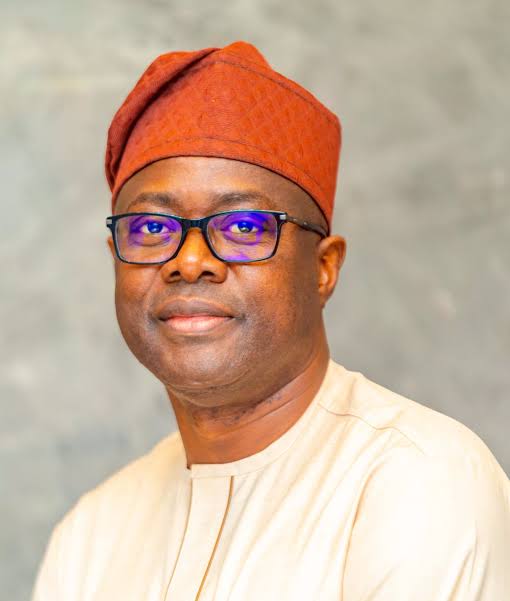
The presidential candidate of the Allied Peoples Movement (APM), Seyi Makinde, has said the outcome of the 2027 presidential election will be determined by Nigerian voters rather than wealthy individuals or the amount of money spent on campaigns.
Makinde made the statement on Monday at the APM North-Central Zonal Town Hall Meeting in Lafia, Nasarawa State, as part of the party’s engagements ahead of the 2027 election.
The Oyo State governor, who is campaigning under the “Reset Nigeria” agenda, said he did not believe the election would be decided by political commentators, opinion polls, the number of billionaires supporting candidates or the financial resources available to political campaigns.
According to him, the people of Nigeria would ultimately determine who emerges from the election.
Makinde also criticised the Federal Government’s handling of the economy, arguing that increased allocations to states had not necessarily translated into reduced hardship for citizens.
He acknowledged that states were receiving more money from the Federation Account but questioned whether the additional funds had resulted in meaningful progress in addressing hunger and other economic challenges.
The governor also spoke about Nigeria’s security situation, questioning the budgetary planning behind the establishment of additional army divisions. He said he had examined the 2026 budget for provisions relating to the new formations but could not identify the funding he expected for them.
Makinde outlines ‘Reset Nigeria’ agenda
The APM presidential candidate said his proposed “Reset Nigeria” programme would focus on four major areas: security, education, the economy and the country’s socio-political environment.
He said the programme could be implemented within four years if he becomes president, including changes to Nigeria’s security architecture and greater use of data and science in economic management.
Makinde further said his administration would commence a transition to a government of national unity from May 29, 2027, which he said would eventually lead to what he described as “new players and a new agenda” for Nigeria’s development.
The Lafia meeting formed part of the APM’s zonal consultations and political engagements ahead of the 2027 presidential election.

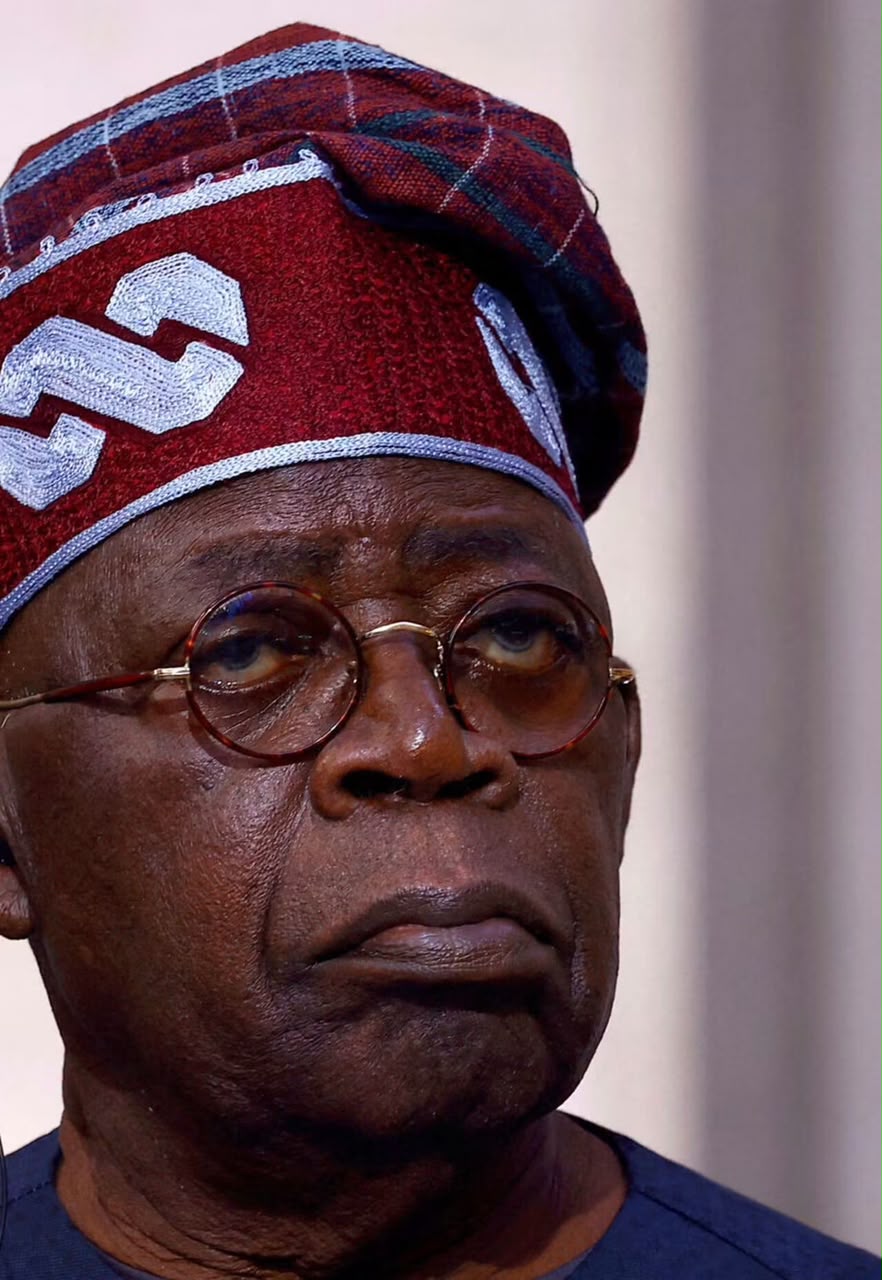
President Bola Tinubu has urged Nigerians not to lose hope in the country, assuring citizens that Nigeria is on the right path toward economic recovery, peace and sustainable development.
Tinubu made the remarks on Friday, September 25, 2026, during a special Juma’at prayer service at the National Mosque in Abuja, organised as part of activities marking Nigeria’s 66th Independence Anniversary. The President was represented at the event by the Speaker of the House of Representatives, Tajudeen Abbas.
According to Tinubu, his administration is addressing what he described as the “cumulative mistakes and missed opportunities” of previous governments. He said Nigerians had already endured the necessary sacrifices and that there was now “light at the end of the tunnel.”
“Nigerians have finished making sacrifices for this country to be great again.”
He further assured citizens that “peace is coming back to this country” and “development is coming back to this country,” adding that things would get better as Nigeria progresses in its democracy.
Tinubu also called for continued support for his administration, saying Nigerians should give the government more opportunity to complete the reforms and programmes it has begun.
Bola Tinubu’s remarks come as Nigerians prepare to mark the country’s 66th Independence Anniversary, with economic hardship, security and the effects of ongoing reforms remaining major issues in the national conversation.

 News3 years ago
Hardship: We Plan To Establish A National Commodity Board To Crash Food Prices – VP Shettima
- News8 years ago
Blog Reader; Samson Osagiede Celebrates Fiancè Benedicta Daniels’s Birthday With Sweet Words
- Home10 years ago
News Channel claims Donald Trump is an orphan from Pakistan,share alleged childhood photo
- Home10 years ago
Another $175m Found in Patience Jonathan’s wife’s firm’s Bank Account
 Sport8 years ago
Modric, Marta Wins 2018 FIFA Best Player Of The Year Awards ⚽️
- Home10 years ago
Oil Spillage: House of Reps Member Shares Photos of the Water her Constituents Drink .
- Home10 years ago
Zara Buhari & Ahmed Indimi’s Wedding Access Card
- News8 years ago
The Best Video You’ve Seen Today?