
Politics
Kano Governor Abba Yusuf Resigns From NNPP With 73 Elected Officials, APC Move Imminent

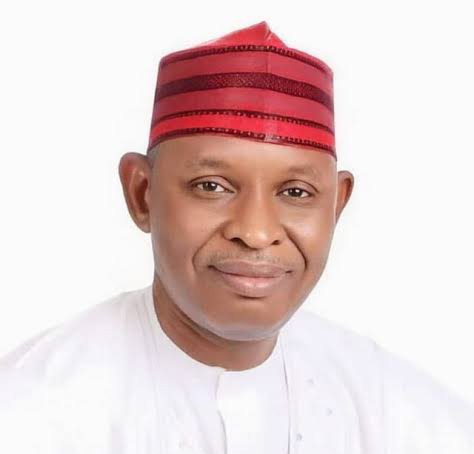
Kano State Governor Abba Kabir Yusuf has formally resigned from the New Nigeria People’s Party, leading a mass exodus of 73 elected officials in what represents one of the most significant political realignments in northern Nigeria ahead of the 2027 elections.
The governor announced his resignation in a letter addressed to the NNPP Chairman of Diso-Chiranchi Ward, Gwale Local Government Area, with the decision-making effect from January 25, 2026.
In the resignation letter released on Friday by his spokesperson, Sunusi Bature Dawakin Tofa, Governor Yusuf cited deepening internal crises, persistent leadership disputes and ongoing legal battles that have destabilized the party at both state and national levels.
“I write with a deep sense of gratitude to formally notify the leadership of the New Nigeria People’s Party of my decision to resign my membership of the party,” Yusuf stated, while expressing appreciation for the political platform and support extended to him since joining in 2022.
The mass defection includes 21 members of the Kano State House of Assembly, eight members of the House of Representatives, and all 44 local government chairmen across the state, signaling a near-total collapse of NNPP structures in Kano.
The governor emphasized that his decision was taken in good faith and without bitterness, adding that it was necessary to safeguard the broader interests of Kano State and its people. He reaffirmed his commitment to peace, unity, and the development of the state.
The NNPP Secretary of Diso-Chiranchi Ward, Kabiru Zubairu, acknowledged receipt of the resignation letter and commended Yusuf’s performance while in office, describing him as one of the party’s most outstanding governors. Zubairu conceded that while the party had tried to contain the lingering crisis, they had no option but to accept the resignation.
Governor Yusuf’s resignation comes after weeks of speculation about his planned defection to the All Progressives Congress following a high-level meeting with President Bola Tinubu at the Presidential Villa. The move is expected to significantly alter the political landscape in Kano State, where party loyalties have long been fiercely contested.
The NNPP has been embroiled in internal wrangling, including a contentious change of the party logo that sparked legal battles and deepened fragmentation. The crisis has pitted Governor Yusuf against his political mentor, Senator Rabiu Musa Kwankwaso, who is reportedly exploring alternative political alliances ahead of 2027.
Reports suggest that Governor Yusuf’s defection to the APC has been delayed by negotiations over an automatic gubernatorial ticket for 2027, a demand that has put him at odds with powerful APC figures in Kano, including Deputy Senate President Barau Jibrin, who is widely believed to harbour his own gubernatorial ambitions.
President Tinubu has reportedly accepted Governor Yusuf into the APC, with the formal defection ceremony expected to take place in the coming days. The development marks another major gain for the ruling party, which has witnessed a surge in defections from opposition parties since Tinubu assumed office in May 2023.

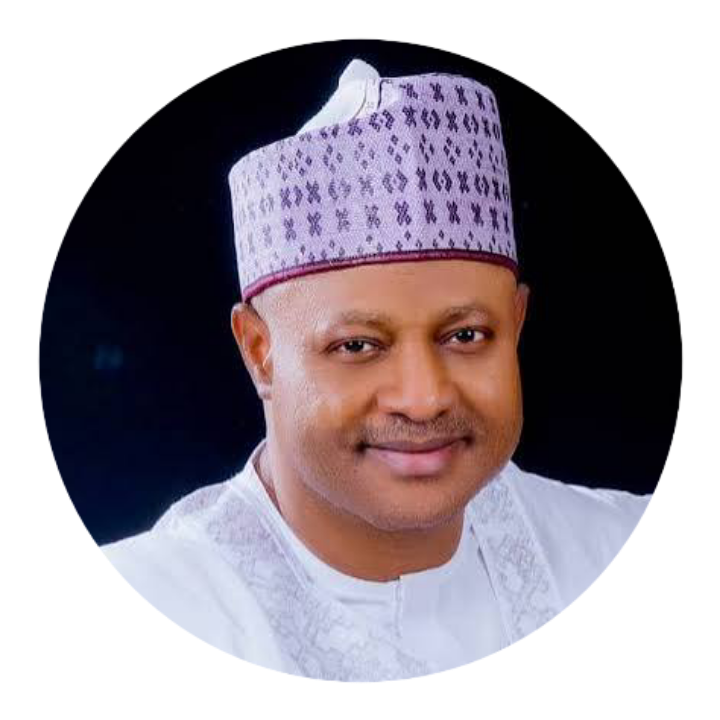
Kaduna State Governor Uba Sani has commissioned a monumental 35-kilometre asphaltic road described as the longest single infrastructure project delivered in the state over the past two decades, connecting 76 farming communities across three local government areas.
The historic road, inaugurated on Monday at a ceremony attended by traditional rulers, community leaders and residents, stretches from Gadan Gayan through Gwaraji to Kujama Junction, linking Igabi, Kajuru and Chikun local governments.
A standout feature of the project is a 130-metre bridge spanning River Kaduna, providing vital access to rural populations who had previously faced isolation during rainy seasons when the waterway became impassable.
Governor Sani characterized the infrastructure delivery as a watershed moment in Kaduna’s development trajectory, emphasizing that the project reflects his administration’s commitment to inclusive, people-centered governance that prioritizes underserved communities.
The governor recalled that when construction commenced in January 2024, his administration promised to deliver a durable and efficient transport corridor, adding that disciplined planning and professional execution ensured that pledge was fulfilled within record time.
Beyond physical mobility, the road addresses critical economic needs by creating direct linkages between agricultural production zones and commercial consumption centers across the state.
“By traversing agriculturally productive rural communities across three local government areas, this road directly links farms to markets, aggregation centers, processing facilities, and urban consumption hubs,” Governor Sani explained, noting the infrastructure would dramatically reduce post-harvest losses while strengthening agricultural value chains.
The governor highlighted that agriculture remains the leading contributor to Kaduna State’s gross domestic product growth, making rural connectivity essential for sustaining the sector’s economic dominance.
Early indicators suggest the infrastructure investment is already generating multiplier effects, with new filling stations, markets and small businesses emerging along the corridor even before formal commissioning.
“This is the quiet but powerful multiplier effect of well-planned infrastructure,” the governor remarked, pointing to the organic economic revival happening in communities previously isolated from development opportunities.
The project specifically targets historical inequities in public infrastructure distribution, particularly in Kajuru Local Government Area, which had not benefited from any road construction initiative for over twelve years prior to this administration.
“This prolonged neglect constrained economic activity, and that reality was unacceptable,” Governor Sani stated, adding that his administration is deliberately reversing decades of underinvestment in marginalized communities.
The commissioned road also provides an alternative route that reduces dependence on the frequently congested Kaduna metropolis, cutting travel time and transportation costs for commuters and traders while improving emergency response capabilities.
“Emergency services will respond faster, schoolchildren will reach classrooms with greater ease, and families will enjoy improved access to healthcare, markets and social services,” the governor noted.
Managing Director of Kaduna Road Agency Abdullahi Baba-Ahmad commended Governor Sani for executing massive infrastructure projects across the state, describing the 35-kilometre road as a landmark achievement that demonstrates commitment to delivering democratic dividends to all parts of Kaduna.
Baba-Ahmad revealed that the current administration has completed over 1,300 kilometres of roads across the state, significantly boosting commercial activities, easing travel and improving productivity.
Governor Sani explained that the commissioned road forms part of a broader infrastructure programme encompassing 140 road projects totaling 1,335 kilometres across Kaduna State, with 66 already completed while others are between 60 and 75 percent completion stages.
The infrastructure push follows an earlier achievement in May 2025 when Governor Sani broke another 20-year road construction jinx in Kagarko Local Government Area, underscoring systematic efforts to end infrastructure neglect across all parts of the state.
Traditional rulers and community leaders who spoke at the commissioning ceremony described the road as transformational, with many residents testifying about revived livelihoods, revitalized local economies and communities emerging from years of isolation with renewed confidence in government.
The project’s completion within approximately 14 months from flag-off demonstrates the administration’s capacity for rapid infrastructure delivery despite Nigeria’s challenging economic environment and budgetary constraints affecting many state governments.
News
Wole Olanipekun, Taiwo Oyedele Urge South-West Governors to Maximise Tinubu Presidency for Regional Growth

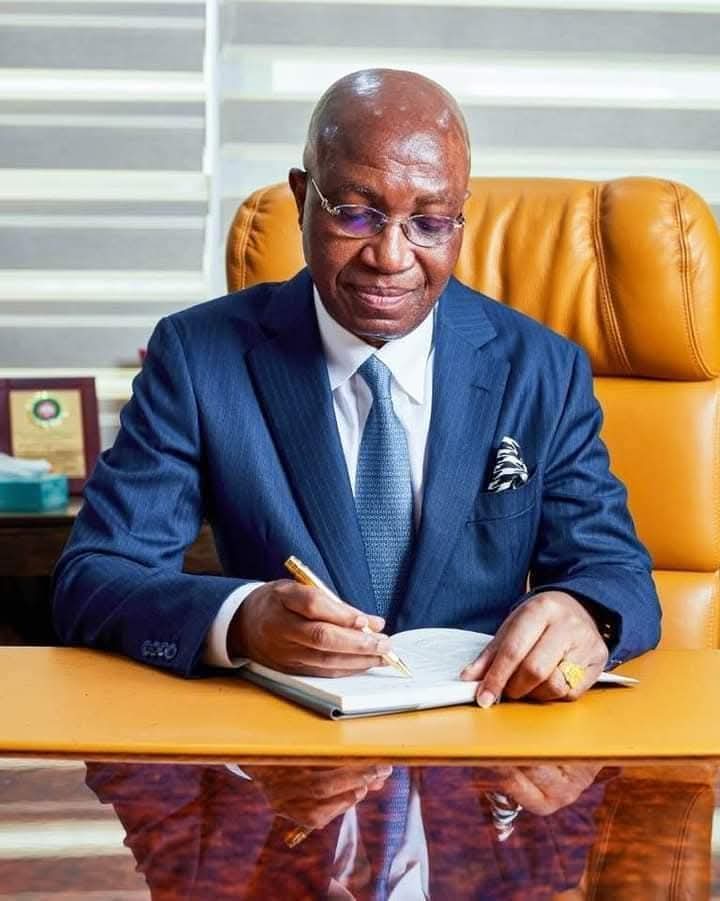
Senior Advocate of Nigeria (SAN), Wole Olanipekun, and Chairman of the Presidential Fiscal Policy and Tax Reforms Committee, Taiwo Oyedele, have called on South-West governors and political leaders to fully leverage President Bola Tinubu’s administration to drive accelerated development across the region.
The duo made the call on Monday in Akure, Ondo State capital, while speaking at a public lecture organised as part of activities marking the 50th anniversary of Ondo State’s creation.
They stressed that the South-West must prioritise massive investments in infrastructure, industrialisation, and economic reforms during Tinubu’s tenure to secure long-term regional prosperity.
Olanipekun cautioned that the political advantage of having a South-West president is temporary, noting that President Tinubu’s tenure will come to an end after his second term in 2031.
According to him, the region must act decisively within this window to strengthen its economic base and ensure sustainable development beyond the current administration.
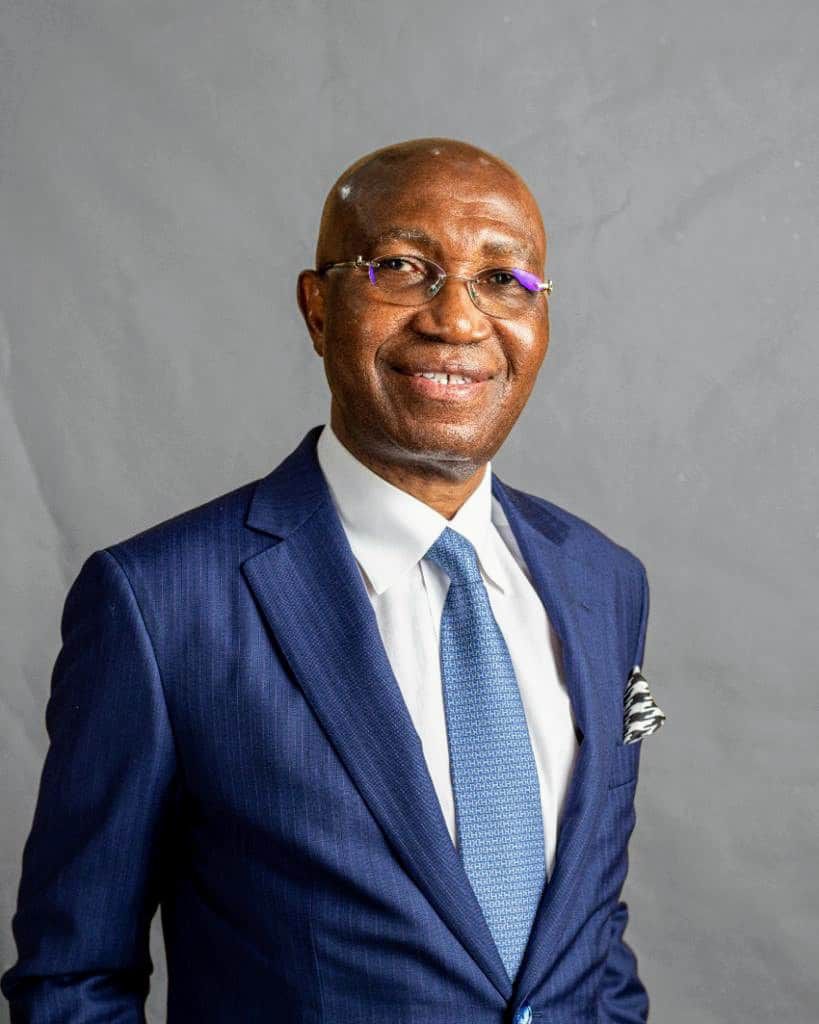
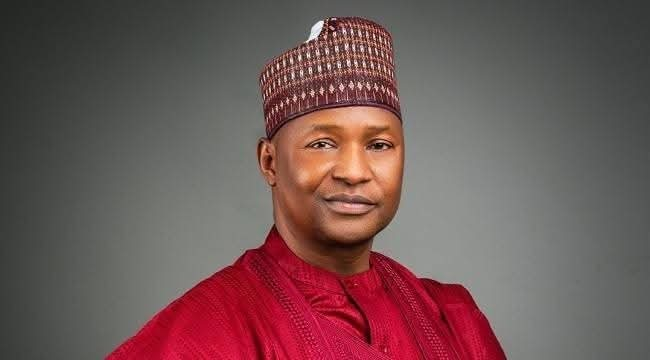
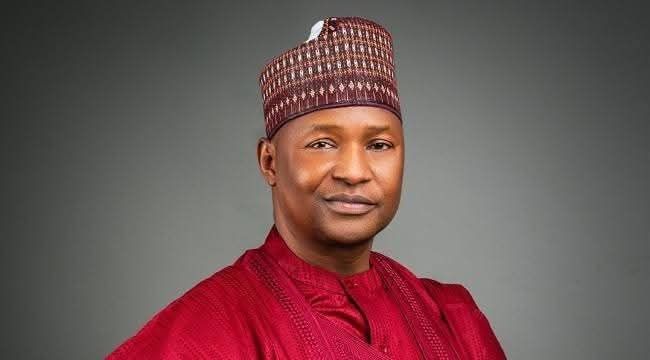
Former Attorney-General of the Federation, Abubakar Malami (SAN), has disclosed details of his earnings while asking a Federal High Court in Abuja to set aside an interim order authorising the seizure of 57 properties allegedly linked to him.
Malami made the disclosure through his counsel, Joseph Daudu (SAN), in a motion on notice filed before the court. The application seeks to vacate an interim forfeiture order affecting three of the 57 properties currently under investigation by the Economic and Financial Crimes Commission (EFCC).
According to the court filing, Malami stated that he had fully and transparently declared his sources of income in his asset declaration submitted to the Code of Conduct Bureau (CCB).
The document outlined multiple income streams, including:
₦374.63 million earned from salaries, estacodes, severance allowances, and related entitlements.
₦574.07 million generated from the disposal of personal assets.
₦10.01 billion recorded as turnover from private business ventures.
₦2.52 billion issued as loans to various businesses.
₦958 million received as traditional gifts from personal friends.
₦509.88 million realised from the launch and public presentation of his book titled “Contemporary Issues on Nigerian Law and Practice: Thorny Terrains in Traversing the Nigerian Justice Sector – My Travails and Triumphs.”
Malami’s legal team argued that the declared earnings sufficiently explain the source of funds used to acquire the properties in question, urging the court to lift the interim seizure order.
The matter remains pending before the Federal High Court as the EFCC continues its forfeiture proceedings.
-
 News2 years ago
Hardship: We Plan To Establish A National Commodity Board To Crash Food Prices – VP Shettima
-
News8 years ago
Blog Reader; Samson Osagiede Celebrates Fiancè Benedicta Daniels’s Birthday With Sweet Words
-
Home9 years ago
News Channel claims Donald Trump is an orphan from Pakistan,share alleged childhood photo
-
Home9 years ago
Another $175m Found in Patience Jonathan’s wife’s firm’s Bank Account
-
Home9 years ago
Oil Spillage: House of Reps Member Shares Photos of the Water her Constituents Drink .
-
Home9 years ago
Zara Buhari & Ahmed Indimi’s Wedding Access Card
-
 Sport7 years ago
Modric, Marta Wins 2018 FIFA Best Player Of The Year Awards ⚽️
-
News8 years ago
The Best Video You’ve Seen Today?