Home
Nigeria at 56 – By Reuben Abati

The big issues are well-known: the failure of leadership, corruption, and perpetual anxiety about the future. Every October 1, Nigeria is described as “a crippled giant”, a “toddler”, “a broken nation”. And the various editorials, year after year sound so repetitive as they focus on an economy that is not working, the failure of public infrastructure, leadership crisis, the bad habits of the political elite, religious and ethnic violence, disunity, national insecurity, and so on.
I also look around and admire the energy and creativity of the Nigerian youth. Those young men and women who are excelling and whose distinction inspires some level of confidence in the Nigerian system. For more than 20 years, we have been lamenting that the Nigerian education system has failed, collapsed or to use the usual phrase, “fallen”. But this same system continues to produce young men and women with amazing talents. With a better education system, the harvest could have been richer and better, but oh come on, the entrepreneurial ingenuity of the Nigerian youth, their sheer brilliance and industry reassure us that if we could get it right, this country will yet attain much greater heights.
We are also a country of resilient people. It is what keeps us going. There may have been a sudden rise in reported cases of suicide in recent times, but most Nigerians are fighters. They are ready to survive under any situation. They are determined. They never lose hope. They have this special ability to cover up their frustrations, dress up nicely and go to the church or the mosque or other places of worship, and dance and pray and ask God to take control. This may be a form of temporary escapism, but the confidence with which the average leaves everything to God and draws strength from so doing is a unique national characteristic.
What is required is a re-dedication to the ideals of unity and national progress. This is not a task for the leaders alone, but for all Nigerians, young and old, male and female. We must collectively resolve to make this country work and to ensure that the forces of good do not allow negative forces to overwhelm a nation which has the potential to become one of the greatest nations on earth. People make nations. But too many Nigerians are experts at the blame game. We shift responsibilities. We fail to act as true citizens.
Independence day should be a day of citizen pride. It should be a day of sober reflection. It should be a moment when the entire nation should pause, and look back and look forward into the future. Nigeria’s journey as an independent nation may have begun in October 1960, but our history goes far back into the past, even long before the Amalgamation of 1914. We are a nation of different peoples, cultures and ethnicity brought together by destiny, and circumstances and colonialism. To transform this into real nationhood is the main challenge we have faced since 1960. As we mark Nigeria’s 56th independence anniversary, let no one blame the British for the various fault lines that continue to affect our nation. The British ruled Nigeria for 46 years (1914-1960). We have been in charge of our own affairs for 56 years: that is long enough for us to get our acts together as a people and as a nation.


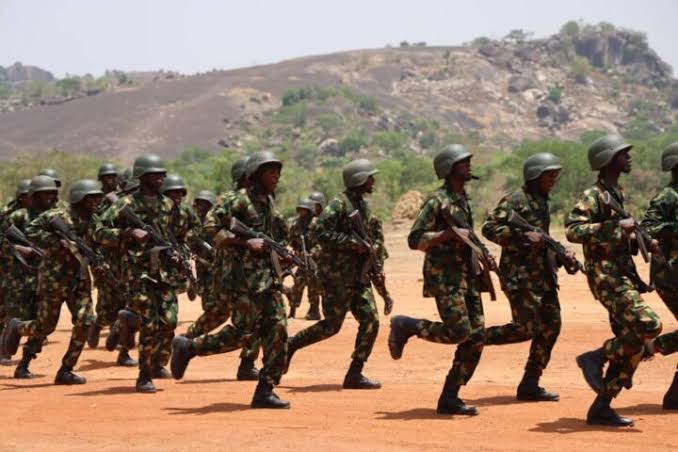
Troops of the Joint Task Force, Operation Fansan Yamma, have rescued a kidnapping victim and recovered 18 rustled cattle following an attack by suspected terrorists in Kebbi State.
The operation took place on Sunday, October 18, 2026, after security personnel received a distress call about an invasion of Rambo village in Danko-Wasagu Local Government Area, where armed men reportedly attempted to abduct residents and steal cattle.
The Media Information Officer of Operation Fansan Yamma, Lieutenant Colonel Aliyu Danja, disclosed the development in a statement issued on Monday.
According to Danja, troops of Sector 2, working alongside local vigilantes, immediately mobilised to the community and engaged the suspected attackers in a gunfight.
The armed men reportedly fled during the confrontation, allowing the troops to rescue a 40-year-old resident identified as Suleiman Maiyaki Ikara and recover the stolen livestock.
The rescued man and the recovered cattle were subsequently handed over to the district head of Rambo village for further action, the military said.
Four Suspected Drug Peddlers Arrested
In a separate security operation conducted on the same day, troops collaborated with personnel of the National Drug Law Enforcement Agency (NDLEA) to raid suspected drug trafficking locations in Maiyama Local Government Area.
The raids targeted locations in Dakin Kowa, Karaye and Gubba communities.
The operation led to the arrest of four suspects and the recovery of substances suspected to be illicit drugs.
Danja said the suspects and recovered substances had been handed over to the NDLEA command in Maiyama for further investigation and appropriate action.
The task force reaffirmed its commitment to sustaining military operations against terrorists and other criminal groups operating within its area of responsibility.
It also commended residents for supporting security agencies and urged communities to provide timely and credible information that could help prevent attacks and improve security.
The latest operation comes amid continuing security challenges in parts of Kebbi State, where rural communities have faced incidents of kidnapping and cattle rustling.
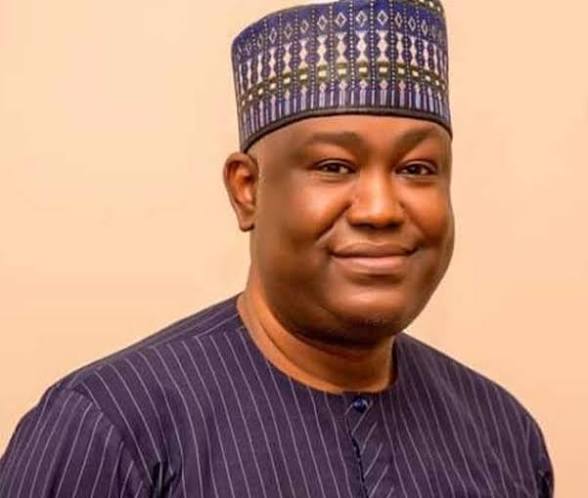
Accord Party presidential aspirant Dr. Gbenga Olawepo-Hashim has criticised President Bola Tinubu’s approach to tackling insecurity, saying Nigeria is effectively at war but lacks a clear and coordinated strategy to defeat terrorist groups and criminal gangs.
Hashim argued that despite ongoing military operations, terrorists and armed criminal groups continue to dictate the pace of violence in several parts of the country. He maintained that the nation’s security challenges require more than isolated military offensives, calling instead for a comprehensive national strategy backed by strong political leadership.
According to him, Nigeria’s armed forces possess the capacity to restore security if provided with consistent direction, adequate support, and a clearly defined mission. He stressed that defeating insecurity requires improved intelligence gathering, stronger inter-agency coordination, and sustained political commitment.
Hashim further urged the federal government to treat the country’s security situation with greater urgency, warning that prolonged instability could continue to undermine economic growth, investment, and public confidence in government institutions.
His comments come amid ongoing national debate over security policy, even as the Tinubu administration has announced measures including expanding the Nigerian Army and increasing investment in technology and military capabilities to address the country’s security threats.
Home
President Tinubu Approves Major Road Infrastructure Boost – Reconstruction of Key Federal Roads in Niger State and Extension of Bodo–Bonny Road in Rivers State

In a significant move to enhance connectivity, durability, and economic development across Nigeria, President Bola Ahmed Tinubu has given the green light for the immediate reconstruction of three critical federal roads in Niger State, alongside the extension of the strategic Bodo–Bonny Road in Rivers State to link up with the East–West Road.
The three roads in Niger State earmarked for full reconstruction will utilize reinforced concrete pavement to guarantee long-lasting performance and better value for money. The projects include:
- Mokwa–Bida Road(approximately 120 km)
- Mokwa–Makeri Road (63 km)
- Bida–Labata Road (123.5 km)
These upgrades aim to improve transportation efficiency, reduce maintenance costs over time, and support socio-economic activities in the North-Central region.
Additionally, President Tinubu has directed the extension of the Bodo–Bonny Road in Rivers State by connecting it to the East–West Road. This extension will be constructed as a *dual carriageway using concrete pavement and will feature solar-powered street lighting for enhanced safety and sustainability. The initiative is expected to boost access to coastal communities, facilitate trade, and strengthen integration in the Niger Delta area.
This approval underscores the administration’s ongoing commitment to revitalizing legacy infrastructure projects and delivering durable, high-quality road networks nationwide under the Renewed Hope Agenda.


 News3 years ago
Hardship: We Plan To Establish A National Commodity Board To Crash Food Prices – VP Shettima
- News9 years ago
Blog Reader; Samson Osagiede Celebrates Fiancè Benedicta Daniels’s Birthday With Sweet Words
- Home10 years ago
News Channel claims Donald Trump is an orphan from Pakistan,share alleged childhood photo
 Sport8 years ago
Modric, Marta Wins 2018 FIFA Best Player Of The Year Awards ⚽️
- Home10 years ago
Another $175m Found in Patience Jonathan’s wife’s firm’s Bank Account
- Home10 years ago
Zara Buhari & Ahmed Indimi’s Wedding Access Card
- Home10 years ago
Oil Spillage: House of Reps Member Shares Photos of the Water her Constituents Drink .
- Celebrities3 years ago
“Port Harcourt Has The Lousiest Men On Planet Earth” — Actress Sarah Martins Recounts How She Slapped A Married Man Who Asked Her For ‘H∞k Up’