News
Ecuador, Nigeria to Sign Visa-free Agreement

The Ecuadorian Ambassador to Nigeria, Deopoldo Rovayo, revealed on Wednesday his country and Nigeria have agreed to sign a visa free agreement to strengthen bilateral relations between the two countries.
Rovavo disclosed this when he paid a courtesy visit to the Permanent Secretary in the Ministry of Foreign Affairs, Amb. Olukunle Bamgbose.
He said the purpose of his visit was to strengthen bilateral ties between his country and Nigeria, especially in the communication sector.
The envoy also said both countries have initiated an agreement to enable their nationals visit each other’s country without having to apply for visa.
He said this was necessary because the number of Nigerians in Ecuador has been increasing in recent time. The envoy said about 1000 Nigerians are living in Ecuador, adding that the number would continue to rise.


The Edo State Police Command has invited the Chairman of Owan East Local Government Area, Ernest Oyaole Aitalegbe, over an alleged attack on the secretariat of the National Democratic Congress (NDC) in Afuze, Edo State.
The police also confirmed that an investigation had commenced into the alleged involvement of armed men suspected to be members of the Edo State Security Network (ESSN) in the incident.
The command’s spokesperson, ASP Eno Ikoedem, disclosed this in a statement on Friday, November 20, 2026, saying the chairman had been invited to assist with the ongoing investigation.
According to the police, the incident occurred on Thursday, November 19, at about 4 p.m., while some NDC members and political aspirants were holding a meeting at the party’s secretariat.
The incident was reported by the party’s Edo North senatorial candidate, Mariam Iseme, and Professor Grant Eruhagan.
Ikoedem said the complainants alleged that armed men dressed in ESSN uniforms stormed the premises with weapons, destroyed political banners and other party materials, and threatened to kill those present.
The assailants reportedly fled after sighting police officers.
The police spokesperson said the command was making efforts to identify, locate and arrest everyone involved in the alleged attack.
She added that Aitalegbe was invited in connection with the incident to provide information that could assist the investigation. However, the invitation does not establish that the council chairman was involved in the attack.
Meanwhile, the Edo State Commissioner of Police, Patrick Daaor, warned politicians, political aspirants, supporters and their loyalists against violence, intimidation, destruction of property and the use of thugs to advance political interests.
Daaor stated that the command would not tolerate political lawlessness and warned that anyone found sponsoring, carrying out or aiding acts of violence would be arrested and prosecuted, regardless of their political status or affiliation.
He also urged political actors to avoid actions capable of disrupting public peace, assuring residents that the police would enforce the law without fear or favour.
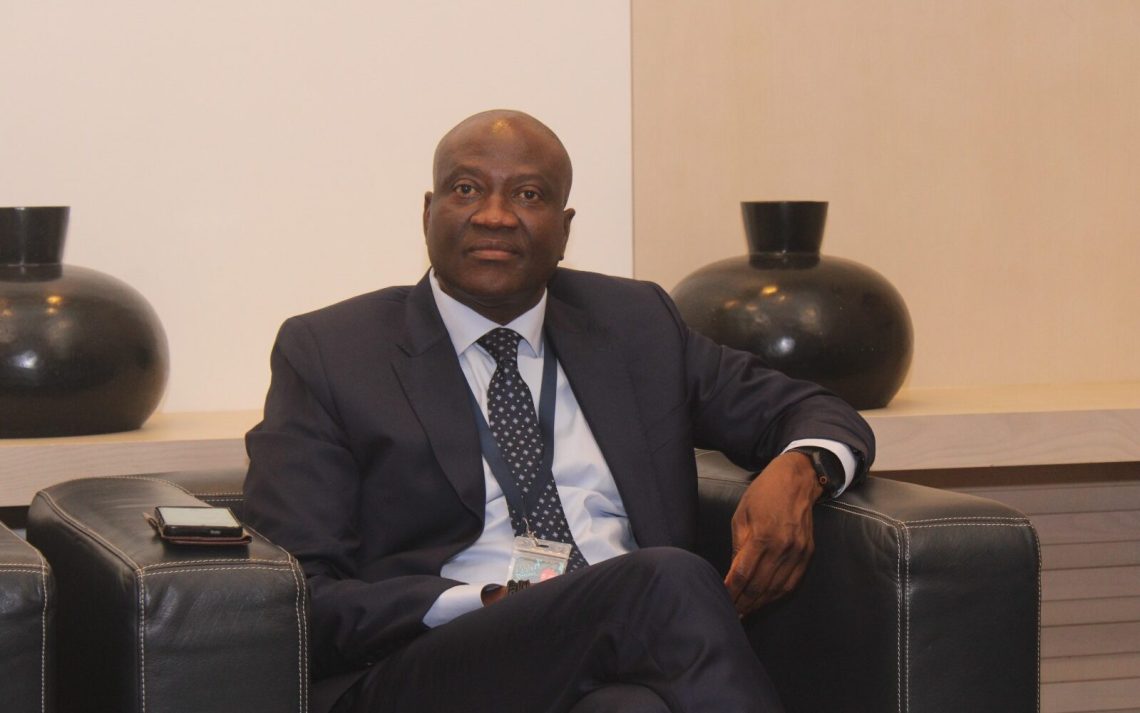
Nigeria has been selected to host the regional instant payment system being developed by the Economic Community of West African States (ECOWAS) to facilitate faster cross-border financial transactions among member countries.
The Governor of the Central Bank of Liberia, Henry Saamoi, disclosed this on Wednesday, November 18, on the sidelines of the launch of the 2026 State of Inclusive Instant Payment Systems (SIIPS) report in Mauritius.
According to Saamoi, Nigeria was selected because of the development of its National Instant Payment (NIP) system, which has been recognised as Africa’s only mature instant payment system.
Under the proposed arrangement, Nigeria will host the regional Instant Payment System (IPS), while Ghana will provide backup hosting. Senegal, through the Central Bank of West African States (BCEAO), will host the Real-Time Gross Settlement (RTGS) component.
Saamoi explained that the three-country arrangement followed recommendations from a consultancy firm engaged by ECOWAS to assess the proposed regional payment infrastructure.
He said the arrangement was designed to distribute responsibilities among participating countries and prevent any single nation from having excessive control over the regional payment network.
The proposed system is expected to connect national instant payment platforms across West Africa, allowing individuals and businesses to transfer money more easily between participating countries.
One of its major objectives is to reduce the challenges associated with cross-border payments, particularly the dependence on the United States dollar as an intermediary currency for transactions within the region.
Saamoi said the system could adopt a local-currency settlement model similar to the Pan-African Payment and Settlement System (PAPSS), which allows payments between participating African countries in their respective currencies.
He, however, noted that the base currency and other operational details of the ECOWAS payment arrangement had not yet been determined.
The Liberian central bank governor also expressed support for the proposed distribution of hosting responsibilities, noting that regional cooperation was important in building an effective payment infrastructure.
Nigeria already operates one of Africa’s established instant payment platforms through the Nigeria Inter-Bank Settlement System (NIBSS), which supports real-time electronic transfers between financial institutions.
The country has also strengthened its participation in cross-border payment integration through PAPSS, a platform developed to promote intra-African trade by enabling transactions in local currencies.
The proposed ECOWAS system is expected to improve financial connectivity, support regional commerce and make it easier for traders, businesses and individuals to conduct transactions across West African borders.
Meanwhile, Saamoi provided an update on the proposed ECOWAS single currency, the ECO, saying the 2027 target for its introduction remained unchanged. He added that a major decision concerning the currency’s launch was expected to be taken in Abidjan, Côte d’Ivoire.
Although Nigeria’s hosting role has been disclosed, the regional payment system’s final operational framework, settlement currency and implementation timeline are still being worked out.
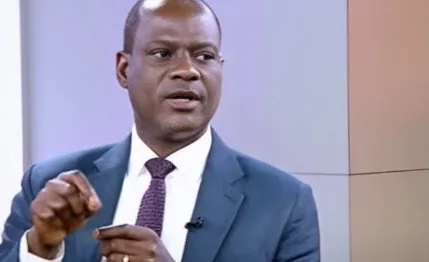
Minister of Finance and Coordinating Minister of the Economy, Taiwo Oyedele, has warned that persistent negative narratives, misinformation and damaging perceptions about Nigeria are discouraging investors, limiting business expansion and contributing to the loss of skilled professionals.
Oyedele made the remarks on Tuesday at the 2026 World Public Relations Forum in Abuja, where he described public trust as a major factor influencing investment decisions, economic growth and the implementation of government policies.
According to the minister, statements portraying Nigeria as a failed country go beyond social media commentary, as they can shape how international investors, businesses and skilled professionals perceive the country’s economic prospects.
He explained that weak public confidence could make investors demand higher returns to compensate for perceived risks, discourage businesses from expanding and encourage talented Nigerians to seek opportunities abroad.
Oyedele described trust as a foundation for economic activities, noting that citizens’ confidence in government influences their willingness to cooperate with policies, while investors rely on credible information when making financial commitments.
He, however, acknowledged that Nigerians have the right to criticise government, expose shortcomings and demand accountability, stressing that responsible communication should not be used as an excuse to silence public concerns.
The minister argued that Nigeria’s national image should reflect both its challenges and achievements, adding that improving public perception requires measurable results rather than publicity alone.
He also acknowledged the gap between official economic indicators and the everyday experiences of citizens.
Using inflation as an example, Oyedele referred to the reported October 2026 inflation rate of 14.06 per cent, which he described as the lowest in six years. He noted, however, that many Nigerians might not feel the impact of the decline because prices of essential goods such as bread and milk remain high.
He explained that a reduction in inflation does not necessarily mean prices are falling, but rather that the rate at which they increase is slowing down.
Oyedele also raised concerns about misinformation surrounding the Federal Government’s tax reforms, saying misleading information had affected public understanding of provisions intended to protect small businesses and exempt low-income earners.
He warned that sensational headlines and emotionally charged social media content often attract more attention than detailed explanations and factual corrections.
The minister further highlighted the growing threat of artificial intelligence-generated misinformation, noting that fabricated images, voices and documents could be used to mislead the public.
He urged public relations professionals to become involved in policy development from the beginning rather than being brought in only when government institutions or businesses face communication challenges.
Oyedele also called on media organisations, social media influencers and other information gatekeepers to verify information before sharing it and correct mistakes with the same level of attention given to their initial reports.
He maintained that rebuilding confidence in Nigeria would require government institutions and businesses to provide accessible information, respond to public concerns and demonstrate the practical benefits of their policies.
According to him, the credibility of the country’s image will ultimately depend on the actual experiences of citizens rather than the volume of publicity used to promote it.

 News3 years ago
Hardship: We Plan To Establish A National Commodity Board To Crash Food Prices – VP Shettima
- News9 years ago
Blog Reader; Samson Osagiede Celebrates Fiancè Benedicta Daniels’s Birthday With Sweet Words
- Home10 years ago
News Channel claims Donald Trump is an orphan from Pakistan,share alleged childhood photo
 Sport8 years ago
Modric, Marta Wins 2018 FIFA Best Player Of The Year Awards ⚽️
- Home10 years ago
Another $175m Found in Patience Jonathan’s wife’s firm’s Bank Account
- Home10 years ago
Zara Buhari & Ahmed Indimi’s Wedding Access Card
- Home10 years ago
Oil Spillage: House of Reps Member Shares Photos of the Water her Constituents Drink .
- Celebrities3 years ago
“Port Harcourt Has The Lousiest Men On Planet Earth” — Actress Sarah Martins Recounts How She Slapped A Married Man Who Asked Her For ‘H∞k Up’