News
All Protocol(s) Observed By Reuben Abati

This means you can’t recognize a Member of a State House of Assembly before a Member of the House of Representatives, and you can’t “acknowledge the presence (as it were) of” a Minister before a Senator. Any slight mix up is likely to fetch you a reprimand and complaints about how you are such an insensitive compere who wants to ruin an event that had been so well planned. Getting the pecking social order right is not even enough, you must be politically correct when you deploy such egoistic phrases as Your Excellency, The Distinguished, The Most Honourable, Your Honour, Your Worship, My Lord, Your Grace, Your Eminence…Only God knows what these honorifics do to the Nigerian big man or big woman’s mind. When you get it right, you can see the person actually believing the myth about he or she being so excellent, distinguished or honourable. Some would even rise and wave to the crowd.
The institutionalized flattery involved, is of course not limited to the special guests, sorry special guests of honour (!) who occupy the high table, or the top table, or better still, the reserved table. Other guests also have to be introduced. The rule is never to overlook any important person. If it is a government or corporate event, nearly everybody is important. If certain persons are mistakenly overlooked, they would insist on sending their personal assistants to the compere to remind him or her of how a grave error has been committed. Some would send their business cards, or a note or summon the compere to their table to register not a complaint but a protest!
Indeed, being a master of ceremony at a Nigerian event could be the ultimate test of humility and human patience. I once introduced a certain VIP as Chief XYZ. I was summoned and reprimanded. “He is not a Chief, but a High Chief”, he said. Correction taken, apology offered. “It is now my pleasure to introduce once more High Chief XYZ, the whatever 1 of anywhere.” The man grinned cheerfully. His retinue of assistants applauded so loudly, you would think the event was all about him. There certainly must be something special about being a High Chief; ordinary Chiefs, I guess, must be less human. But consider this: on another occasion, I mistakenly referred to another VIP as a Chief. The man sent for me, and whispered into my ears: “next time you call me a Chief, I’ll sue you, only unserious people go about saying they are Chief this and Chief that. I have never taken a chieftaincy title in my life; I am simply Mister. You understand? ” Yes, sir!
Again, apologies tendered. I went back to the microphone to introduce the Mister properly, cleverly leaving out his anti-chieftaincy commentary. But how do you deal with royalty? Now that many Nigerians act and behave like Republicans, traditional rulers and the royalty have also learnt to leave the comfort of their palaces to hustle like other Nigerians on the streets, and so, you can’t miss royal presence at most events. But there is a challenge, acknowledging them. You have to know who is His Royal Highness or which traditional ruler is better addressed as His Royal Majesty.
To play safe, it is always advisable to refer to every traditional ruler as His Royal Majesty. It doesn’t matter if the man is a common village head. The word “Royal” is where the magic lies. Leave it out, and you’d have palace jesters rushing to you to insist you emphasize that special phrase. To get the protocol right, the titles of female guests of honour must also be properly mentioned, the problem is knowing who is what: Yeye, Erelu, Lolo, Alhaja, Hajia, Dame, Mrs, Miss or Ms. And there is at least one female VIP who objects to any young compere mentioning her first name: she says that is rude! “I am old enough to be your mum, and you know my dear, we are Africans!” Etiquette lesson taken: “Sorry Ma.” Not to talk of the Igwes. the Knights of numerous Saints, the Otunbas and holders of honorary degrees who insist on being addressed as “Dr.”
By the time a Nigerian compere struggles with these imposed standards, half of the time is wasted on absolutely unimportant niceties. And wait a minute, most of the guests would arrive late anyway and insist on being seated close to the high table, at a visible location, preferably in full view of the television cameras. Important guests like to be noticed; they want to appear on television and have their photographs taken by photojournalists who criss-cross the floor, blocking people’s view, blinding guests with camera flashes, thus constituting extra nuisance.
But the real notice-me tactic often adopted is when in the middle of a programme or a speech, some really self-important guest arrives noisily and holds everything up, making a song and a dance, sashaying across the hall. The compere is expected to suspend the programme and massage the ego of the latecomer: “Announcing the arrival of….” I imagine it is precisely because of this elevation of bad conduct into a side event, that nobody is allowed to arrive late at any event where the President of Nigeria is already seated. The security people will not allow such breach of protocol. And if anyone at all must be allowed in, he or she would have to sneak in quietly and no official compere would dare announce such rude arrival. That is another delicate protocol matter, though.
Then, the speeches: no event is complete without speeches and do Nigerians love to make speeches? Oh yes. Most of the time, many of the speeches are unnecessary. Those who are not supposed to say a word are invited to say a few words and they take an hour. There is so much repetition, with some speakers not having enough sense to leave out what has already been said. You are also likely to find someone who starts with “I don’t have much to say” only to go ahead and bore you silly. Or, some would start with: “I’ll try to be brief.” When you hear this, it’s better to be on your guard. Be prepared to listen to a rambling sermon. Even when time is allotted for every speech, this is usually ignored. I have been at events where the microphone was deliberately muted when the speaker started wasting time. Some speakers would still insist that they should be allowed to finish whatever they believe they are saying and they’d go on rudely, without the microphone!
Then, the acknowledgements: Every speaker begins with a long list of acknowledgements: Your Excellency, the President of the world, Your Excellency the Governor of this, Your Excellency the Governor of that… (if ten or twenty governors are in attendance, some speakers will mention each one of them by name!), and the Distinguished Senator whatever, The Right Honourable somebody, My Lords, spiritual and temporal….this alone may go on for close to five minutes. Before then, the compere would also have taken about five minutes giving the biography of the speaker. And he does that with every speaker, who again takes the microphone and repeats the same protocol list, only to end it all with “All protocol(s) observed.” Sometimes, all protocols are not just observed but “duly observed”, followed by the ritual of time-wasting salutations.
And in some cases, the protocols are “respectfully and fully observed.” The truth is that speakers don’t have to worry about protocol being “duly, respectfully or fully” observed. Career diplomats often protest that these phrases are incorrect and offensive. But this has not stopped speaker after speaker adopting similar short cuts: “Madam Chairperson, permit me to stand on existing protocols”. Or: “Ladies and Gentlemen, allow me to adopt existing protocols.” On one occasion, a speaker said: “I am sitting on existing protocols, Mr. Chairman.” That was something novel except that it didn’t stop the next speaker from standing on the same protocols that someone had just sat upon.
Elsewhere, in Britain, United States, Canada, and Europe, when speeches are to be made, people don’t sit or stand on protocols and there are no long introductions and acknowledgements. The speeches are delivered in a pre-arranged order, promptly, briefly and to the point. And of course, the guests arrive on time. Prefacing a speech with “Ladies and Gentlemen” is considered adequate. Here and in other African countries: Kenya, South Africa, Uganda, Namibia, Ghana…the reverse is usually the case. We should perhaps begin to worry about African protocol, very much like African Time (!). Our public events and ceremonies could become more purposeful and business-like, however, if we dispense with lengthy introductions of titles and biographies. I once embarked on the onerous task of measuring the time spent on protocol at a particular event: two full hours. The main business of the day – an award ceremony – was just a little under an hour!


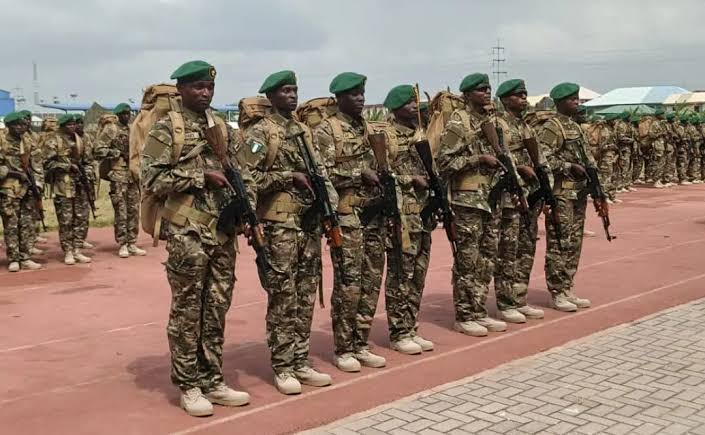
The Nigerian Navy has rescued two kidnapped victims and recovered several stolen outboard engines during an operation against suspected sea robbers and kidnappers in Ibeno, Akwa Ibom State.
The operation was carried out on September 30 by the Maritime Quick Response Team of Nigerian Navy Ship (NNS) JUBILEE in Ibeno, following intelligence reports about criminal activities targeting fishermen in the area.
The Director of Naval Information, Navy Captain Abiodun Folorunsho, disclosed the development in a statement, explaining that the suspected criminals had been attacking fishermen, taking away their boats and stealing their outboard engines”
Suspects Flee as Navy Launches Pursuit
According to the Navy, its personnel encountered two boats believed to have been operated by the suspected criminals during the operation.
The occupants reportedly fled into nearby creeks after sighting the naval team, prompting the personnel to pursue them.
During the chase, the suspects abandoned one of their boats, which contained several stolen outboard engines and the two kidnapped victims.
The naval team subsequently rescued the victims and escorted them to safety, while the recovered engines were secured for verification and further necessary action.
Navy Intensifies Efforts to Track Suspects
The Navy said efforts were ongoing to locate and apprehend the fleeing suspects, adding that the operation reflected its commitment to protecting lives and securing legitimate maritime activities across the country’s waterways.
Folorunsho also emphasised the importance of intelligence sharing and cooperation with coastal communities in tackling maritime crimes.
He urged fishermen, residents of coastal communities and other maritime stakeholders to report suspicious activities and provide timely information that could help security agencies respond to threats.
The Navy reaffirmed its commitment to sustained patrols, search-and-rescue operations and intelligence-driven interventions to protect lives and property along Nigeria’s waterways.
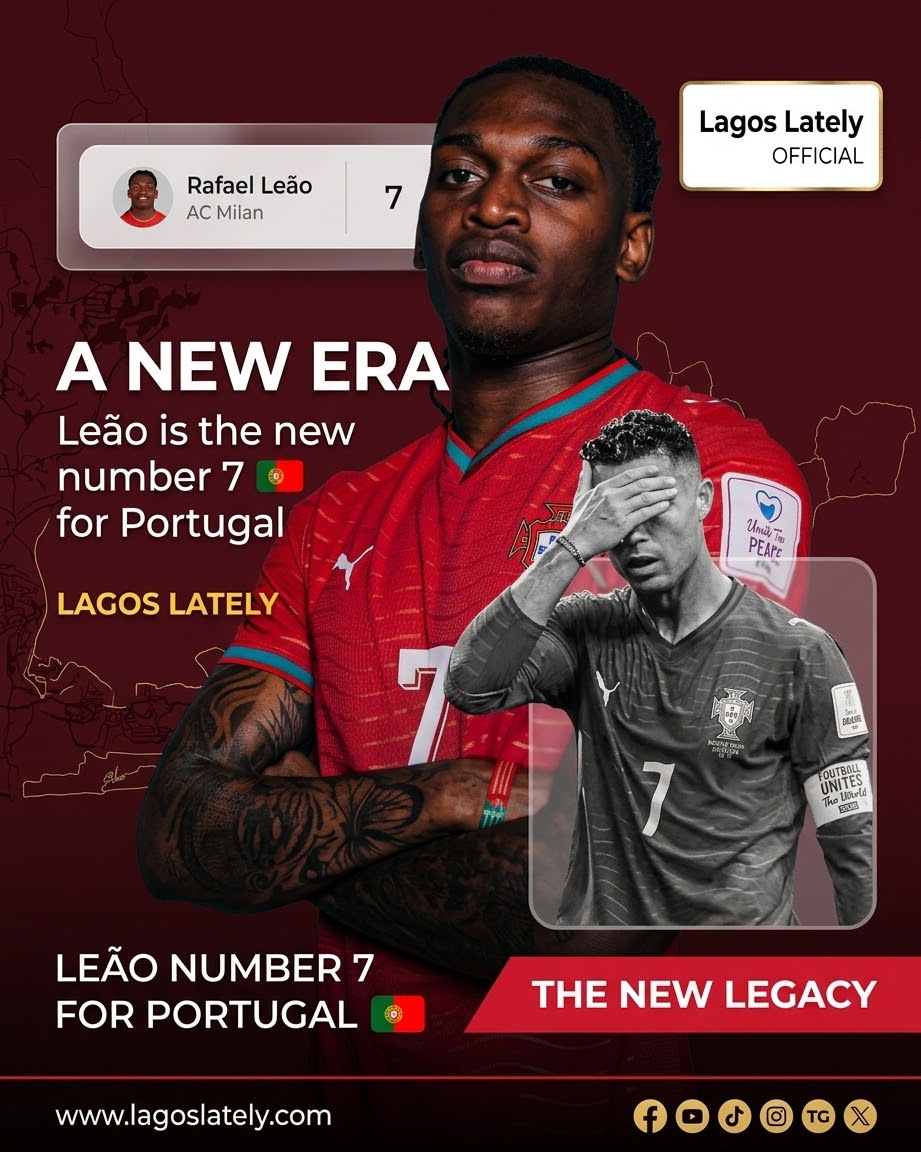
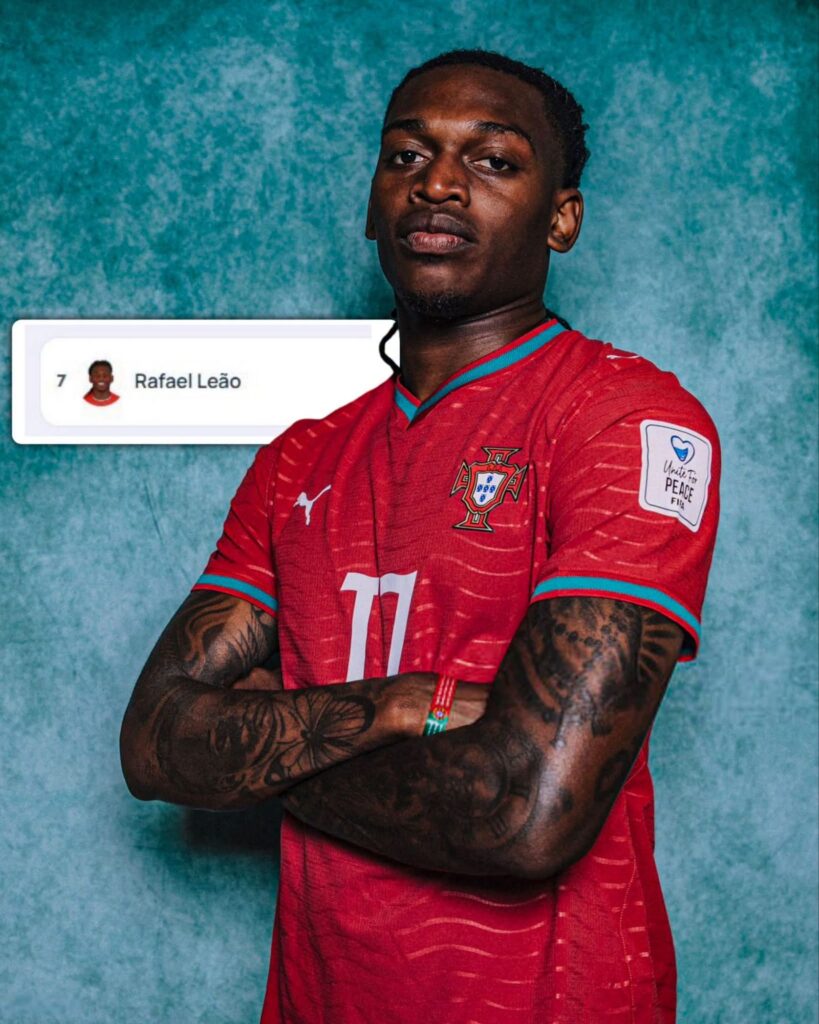
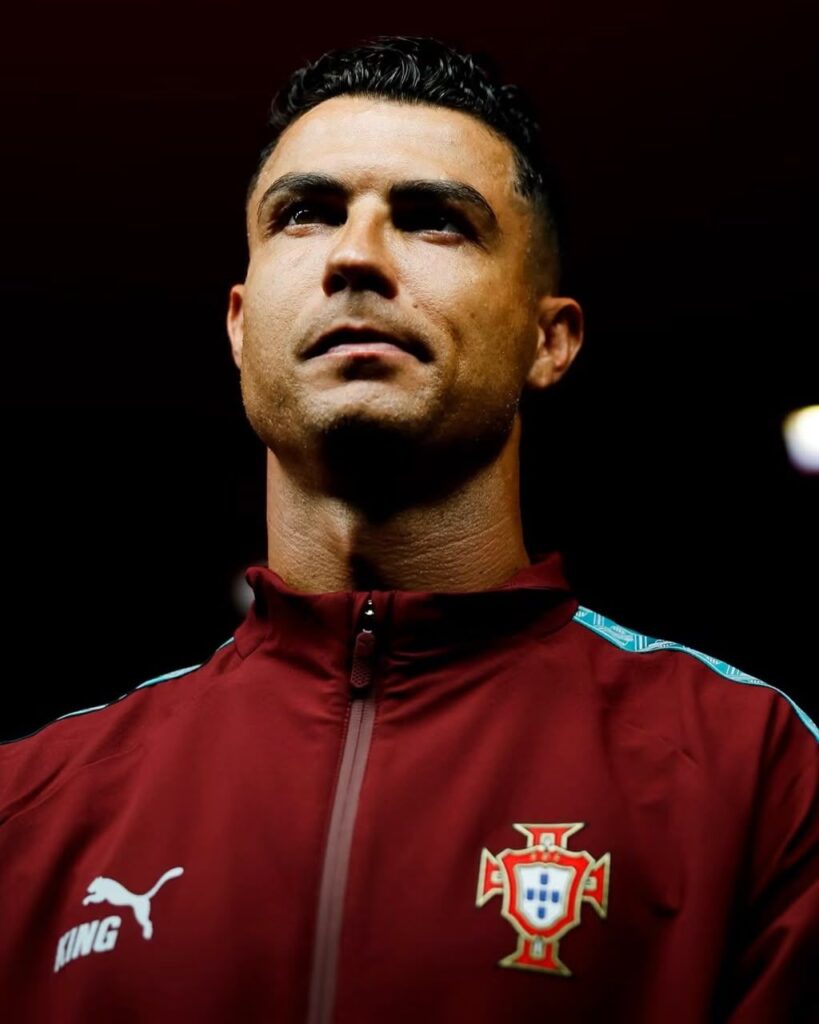
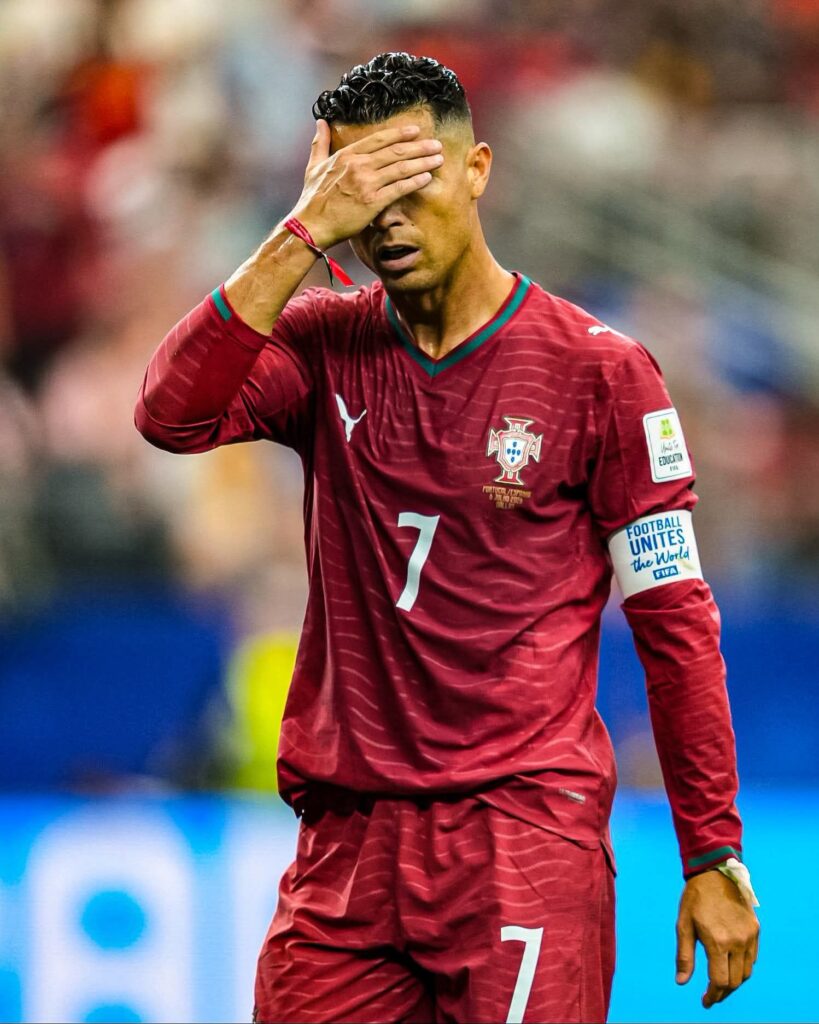
Barely hours after football legend; Cristiano Ronaldo announced his departure from the national team camp, his iconic number 7 shirt has officially been given to Rafael Leão in a move that has set social media alive.
The No. 7 is among the most closely watched shirts in world football, and the speed of the handover is what has fans talking. There was no long gap between one chapter ending and the next beginning, and Leão is now the face of that change.
Leão, a left winger who plays his club football in Europe, has been a regular in the national setup in recent years. Taking over the shirt places him at the centre of Portugal’s attacking plans and gives him one of the biggest responsibilities in the squad.
Supporters are already debating whether he can carry the weight of the number.
Reactions online are split between excitement and nostalgia. Some see the announcement as a bold statement that Portugal is ready to move forward with a new generation. Others say it will take time to accept anyone else in the shirt. Either way, all eyes will be on Leão the next time he steps onto the pitch wearing it. 👀
Neither the Portuguese football federation’s full statement nor any comment from Leão himself had been widely reported at the time of writing, and further details are expected.
Is Leão the right man to inherit the No. 7 shirt? Tell us in the comments.

The Joint Admissions and Matriculation Board (JAMB) has extended the deadline for candidates with outstanding admission offers from the 2021 to 2025 admission exercises to accept or reject the offers.
The new deadline is November 30, 2026, giving affected candidates an additional two months to update their admission status on the Central Admissions Processing System (CAPS).
JAMB had previously fixed September 30 as the deadline for candidates to take action on outstanding offers. The latest extension followed a temporary disruption of the CAPS platform, which was reportedly unavailable for about 96 hours.
JAMB Warns Candidates Against Missing New Deadline
The board described November 30 as the final deadline for candidates affected by the outstanding admission offers.
Candidates who wish to retain their previous admission offers are expected to log into their CAPS accounts and accept them. Those who no longer want the offers can reject them so that JAMB can update its records.
According to JAMB, candidates who accept their offers will be able to proceed with printing their admission letters.
The board also explained that candidates who are no longer studying at the institutions where they were previously offered admission, or who have changed programmes, may accept the outstanding admission and subsequently apply for the appropriate correction or deletion where necessary.
What Happens After November 30?
JAMB warned that candidates who fail to either accept or reject their outstanding offers by the new deadline will have the admissions reverted to “Not Admitted” on the board’s records.
Any subsequent request to update an admission record from the affected years will also attract the applicable penalty fee, according to the board.
JAMB further assured candidates who have already secured admission for the 2026 academic session that rejecting an outstanding admission offer from an earlier year will not affect their current admission.
The board urged all affected candidates to check their CAPS accounts and take the necessary action before the November 30 deadline.

 News3 years ago
Hardship: We Plan To Establish A National Commodity Board To Crash Food Prices – VP Shettima
- News8 years ago
Blog Reader; Samson Osagiede Celebrates Fiancè Benedicta Daniels’s Birthday With Sweet Words
- Home10 years ago
News Channel claims Donald Trump is an orphan from Pakistan,share alleged childhood photo
- Home10 years ago
Another $175m Found in Patience Jonathan’s wife’s firm’s Bank Account
 Sport8 years ago
Modric, Marta Wins 2018 FIFA Best Player Of The Year Awards ⚽️
- Home10 years ago
Oil Spillage: House of Reps Member Shares Photos of the Water her Constituents Drink .
- Home10 years ago
Zara Buhari & Ahmed Indimi’s Wedding Access Card
- News8 years ago
The Best Video You’ve Seen Today?