Politics
2027 Election Will Be Decided by Nigerians, Not Billionaires – Makinde

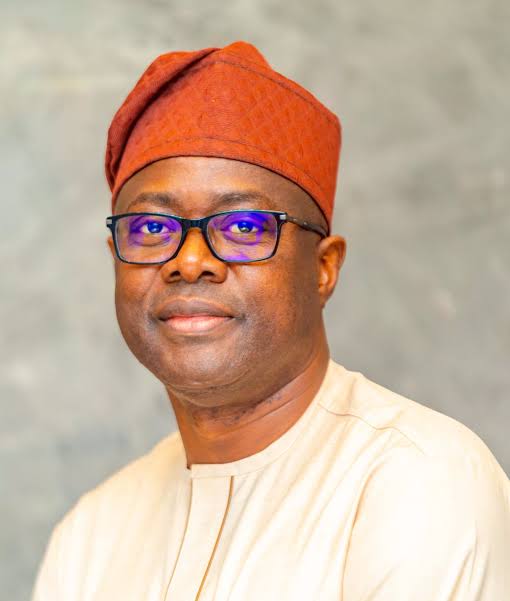
The presidential candidate of the Allied Peoples Movement (APM), Seyi Makinde, has said the outcome of the 2027 presidential election will be determined by Nigerian voters rather than wealthy individuals or the amount of money spent on campaigns.
Makinde made the statement on Monday at the APM North-Central Zonal Town Hall Meeting in Lafia, Nasarawa State, as part of the party’s engagements ahead of the 2027 election.
The Oyo State governor, who is campaigning under the “Reset Nigeria” agenda, said he did not believe the election would be decided by political commentators, opinion polls, the number of billionaires supporting candidates or the financial resources available to political campaigns.
According to him, the people of Nigeria would ultimately determine who emerges from the election.
Makinde also criticised the Federal Government’s handling of the economy, arguing that increased allocations to states had not necessarily translated into reduced hardship for citizens.
He acknowledged that states were receiving more money from the Federation Account but questioned whether the additional funds had resulted in meaningful progress in addressing hunger and other economic challenges.
The governor also spoke about Nigeria’s security situation, questioning the budgetary planning behind the establishment of additional army divisions. He said he had examined the 2026 budget for provisions relating to the new formations but could not identify the funding he expected for them.
Makinde outlines ‘Reset Nigeria’ agenda
The APM presidential candidate said his proposed “Reset Nigeria” programme would focus on four major areas: security, education, the economy and the country’s socio-political environment.
He said the programme could be implemented within four years if he becomes president, including changes to Nigeria’s security architecture and greater use of data and science in economic management.
Makinde further said his administration would commence a transition to a government of national unity from May 29, 2027, which he said would eventually lead to what he described as “new players and a new agenda” for Nigeria’s development.
The Lafia meeting formed part of the APM’s zonal consultations and political engagements ahead of the 2027 presidential election.


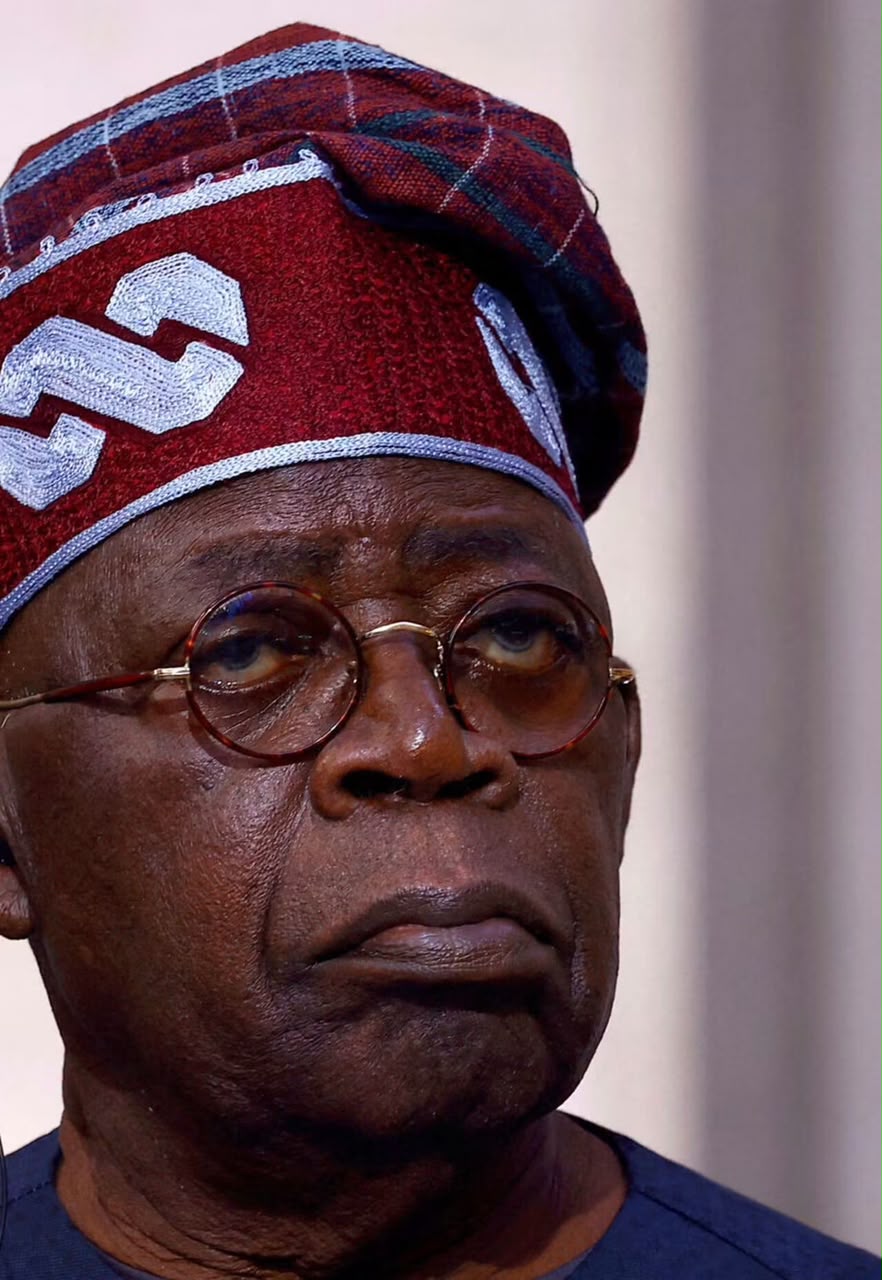
President Bola Tinubu has urged Nigerians not to lose hope in the country, assuring citizens that Nigeria is on the right path toward economic recovery, peace and sustainable development.
Tinubu made the remarks on Friday, September 25, 2026, during a special Juma’at prayer service at the National Mosque in Abuja, organised as part of activities marking Nigeria’s 66th Independence Anniversary. The President was represented at the event by the Speaker of the House of Representatives, Tajudeen Abbas.
According to Tinubu, his administration is addressing what he described as the “cumulative mistakes and missed opportunities” of previous governments. He said Nigerians had already endured the necessary sacrifices and that there was now “light at the end of the tunnel.”
“Nigerians have finished making sacrifices for this country to be great again.”
He further assured citizens that “peace is coming back to this country” and “development is coming back to this country,” adding that things would get better as Nigeria progresses in its democracy.
Tinubu also called for continued support for his administration, saying Nigerians should give the government more opportunity to complete the reforms and programmes it has begun.
Bola Tinubu’s remarks come as Nigerians prepare to mark the country’s 66th Independence Anniversary, with economic hardship, security and the effects of ongoing reforms remaining major issues in the national conversation.
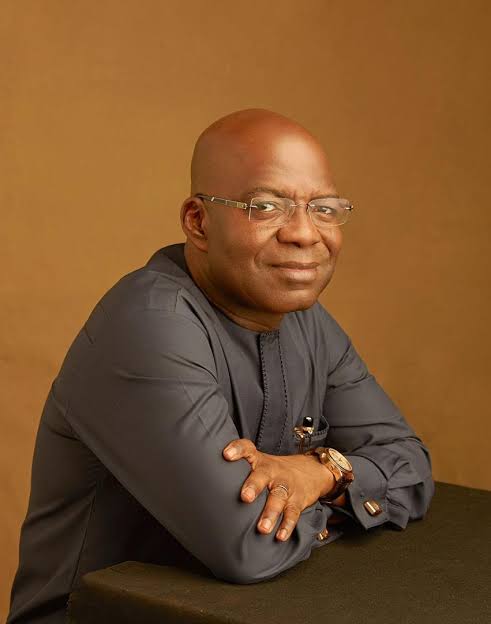
Abia State Governor Alex Otti has said he has no intention of becoming a political godfather or imposing a successor on the state after completing his second term in office.
Otti made the remarks on Thursday in Umuahia while receiving former Social Democratic Party (SDP) governorship candidate Ngozi Johnson-Chukwunenye and her supporters into the Labour Party (LP).
The governor said the process of choosing his eventual successor should focus on identifying the most suitable candidate, while the electorate would have the final say.
Otti: I Don’t Tolerate Godfathers
Otti said he would not seek to control Abia politics after leaving office, stressing that he does not support the practice of political godfatherism.
He said stakeholders would assess those interested in succeeding him, agree on the person they consider most suitable and support that candidate, but added that the people of Abia would ultimately decide through the electoral process.
The governor also said he expected whoever succeeds him to be better equipped to provide leadership for the state.
Governor Rules Out Senate Ambition
Otti also reiterated that he does not intend to seek another elective position after completing his second term as governor.
He said he was not interested in pursuing a Senate seat and planned to retire from elective politics after his tenure.
The governor said he wanted younger Nigerians to have greater opportunities to assume leadership responsibilities, describing the continuation of “sit-tight” politics as something that should be discouraged.
Otti Highlights Youth Leadership Development
According to the governor, his administration is already preparing younger people for future leadership through initiatives including the Abia Leadership Academy.the
Otti said more than 1,080 young people between the ages of 16 and 25 had recently graduated from the academy.
He said developing younger leaders was important because the next generation should be given opportunities to take responsibility for the country and the state.
Johnson-Chukwunenye Joins Labour Party
The event also marked the formal reception of Ngozi Johnson-Chukwunenye, who contested the 2023 Abia governorship election on the SDP platform, into the Labour Party.
Johnson-Chukwunenye said her decision followed her assessment of developments under Otti’s administration.
She cited the payment of salary arrears, regular payment of workers’ salaries, attention to pensioners and road rehabilitation in Aba and Umuahia among the developments that influenced her decision.
Otti Says Infrastructure Work Will Continue
The governor also defended his administration’s development efforts, saying work carried out in Aba and Umuahia would be extended to other parts of the state.
He said the administration was moving into the hinterlands and would continue its interventions across the state.
Otti also said his administration would not be distracted by criticism as it pursued its development programme.
2027 Politics Looms Over Abia
Otti is seeking re-election in the 2027 Abia governorship election, while his comments about succession focus on what he says should happen after his second tenure.
His position that he does not intend to become a political godfather comes as parties in the state begin preparations for the 2027 elections and debate succession, party structures and the future direction of Abia politics.
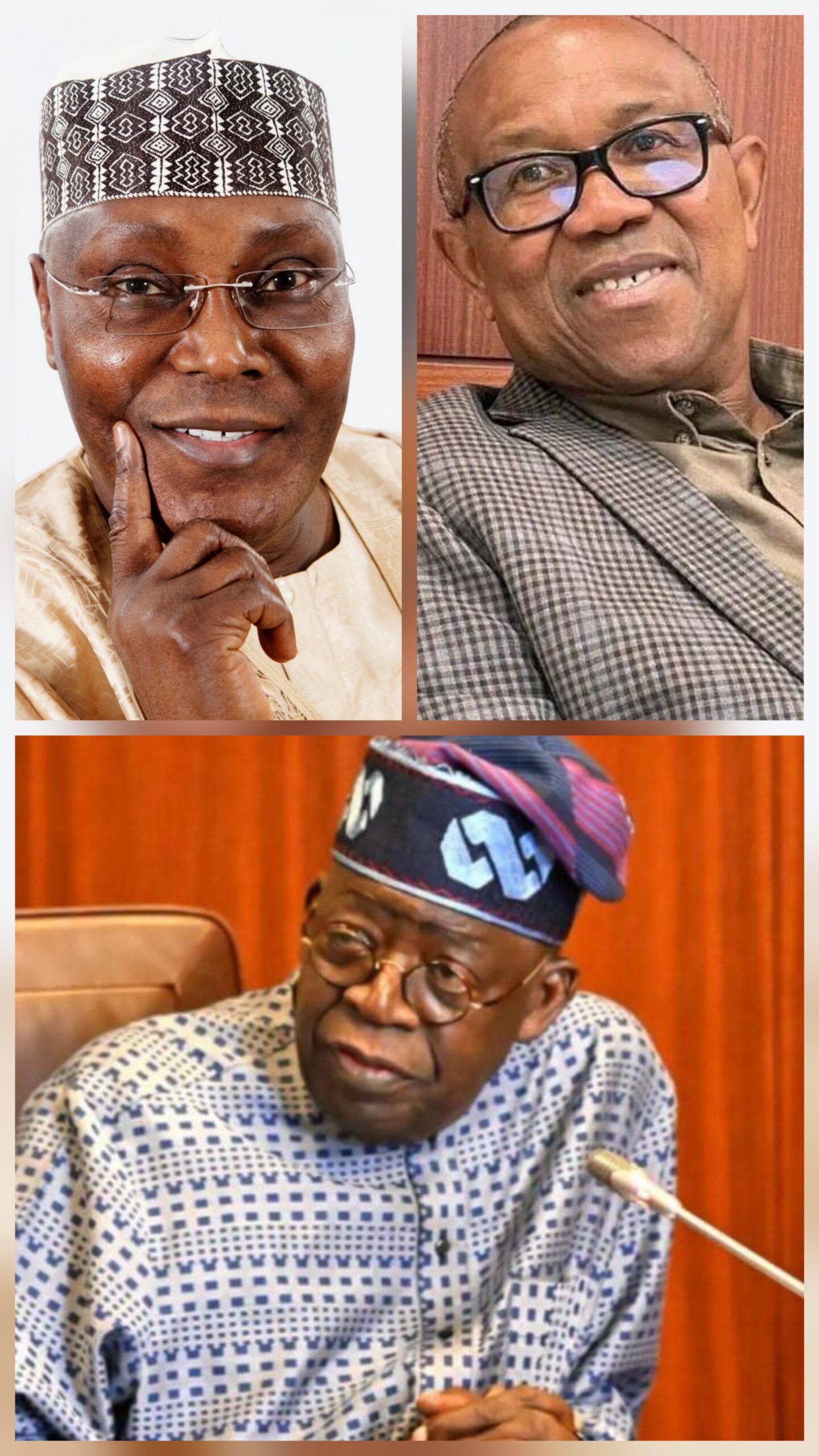
The Independent National Electoral Commission (INEC) has released the final list of candidates for Nigeria’s January 16, 2027 presidential and National Assembly elections, with a total of 4,878 candidates cleared to contest.
The final list contains 18 presidential candidates, while another 4,860 candidates are contesting the 109 Senate and 360 House of Representatives seats across the country.
Tinubu, Atiku and Obi Among Presidential Candidates
The presidential list includes incumbent President Bola Ahmed Tinubu, who is contesting on the platform of the All Progressives Congress (APC).
Also on the list are former Vice President Atiku Abubakar, representing the African Democratic Congress (ADC), and former Anambra State Governor Peter Obi, who is contesting under the Nigeria Democratic Congress (NDC).
The final list also contains two female presidential candidates: Ada Elizabeth Fredrick Okwori of the National Democratic Party (NDP) and Nkem Esther Okereke of the National Rescue Movement (NRM).
APC Fields Candidates Across All Positions
The ruling APC has the largest presence on the ballot, having submitted candidates for all the positions covered by the presidential and National Assembly elections.
The PDP is fielding 103 senatorial candidates and 302 candidates for the House of Representatives.
The ADC has 107 senatorial candidates and 220 House of Representatives candidates, while the NDC has 103 senatorial candidates and 327 House of Representatives candidates.
The Allied Peoples Movement (APM) is fielding 103 candidates for the Senate and 232 for the House of Representatives.
NNPP Presidential Candidate Missing From Final List
The final list does not contain the name of the presidential candidate of the New Nigeria Peoples Party (NNPP).
INEC’s publication also records changes involving some running mates.
The APM replaced Ibrahim Adamu Bala with Musa Lawal Daura as its running mate, while Sulaiman Nasir Mohammed replaced Abubakar Adamu Bala.
The Peoples Redemption Party (PRP) also replaced Baba Musa with Rabiu Kabiru as its running mate.
Four Parties Have Female Running Mates
The final list shows that four political parties have women as their vice-presidential candidates.
They are the Young Progressive Party (YPP), Labour Party (LP), Democratic Labour Alliance (DLA) and Action Peoples Party (APP).
The development adds a gender dimension to the presidential contest, although women remain a small minority among the overall presidential candidates.
2027 Presidential Election Holds January 16
INEC has scheduled the presidential and National Assembly elections for January 16, 2027.
The elections will determine Nigeria’s next president as well as members of the Senate and House of Representatives.
The release of the final candidate list marks another major milestone in the electoral process and gives voters a clearer picture of the politicians and political parties that will appear on the ballot.
With the final list now published, attention is expected to shift further towards campaigns, voter mobilisation and preparations for election day.

 News3 years ago
Hardship: We Plan To Establish A National Commodity Board To Crash Food Prices – VP Shettima
- News8 years ago
Blog Reader; Samson Osagiede Celebrates Fiancè Benedicta Daniels’s Birthday With Sweet Words
- Home10 years ago
News Channel claims Donald Trump is an orphan from Pakistan,share alleged childhood photo
- Home10 years ago
Another $175m Found in Patience Jonathan’s wife’s firm’s Bank Account
- Home10 years ago
Oil Spillage: House of Reps Member Shares Photos of the Water her Constituents Drink .
- Home10 years ago
Zara Buhari & Ahmed Indimi’s Wedding Access Card
 Sport8 years ago
Modric, Marta Wins 2018 FIFA Best Player Of The Year Awards ⚽️
- News8 years ago
The Best Video You’ve Seen Today?