News
Delta Police Arrest Two Suspected Criminals, Recover Firearms and Ammunition

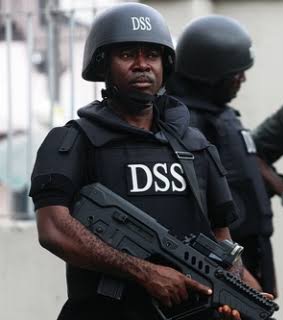
The Delta State Police Command has arrested two suspected criminals and recovered firearms, ammunition, and other dangerous weapons during intelligence-led operations aimed at tackling crime across the state.
According to the command’s spokesperson, SP Bright Edafe, operatives of the Safer Highway Patrol intercepted the suspects during a routine stop-and-search operation. A thorough search reportedly led to the recovery of firearms, live ammunition, and other incriminating items believed to be linked to criminal activities.
In a separate operation, police also arrested another suspect identified as a member of a criminal network while recovering additional weapons and ammunition. The operations form part of the command’s sustained efforts to curb violent crime, armed robbery, kidnapping, and other security threats in Delta State.
The suspects are currently in police custody as investigators work to determine their level of involvement in other criminal activities and identify possible accomplices. Authorities said those found culpable would be charged in court after investigations are concluded.
The Delta State Police Command reaffirmed its commitment to intensifying intelligence-led policing and urged residents to continue providing timely information that could assist security agencies in combating crime across the state.


OpenAI has officially launched Health in ChatGPT for users in the United States, introducing a new feature that enables eligible adults to securely connect their Apple Health data and supported medical records directly within ChatGPT. The rollout is currently available to users aged 18 and above on the web and iOS platforms.
The feature allows users to import information such as medical records, laboratory results, medications, allergies, fitness activity, sleep data, and other health metrics from Apple Health and participating healthcare providers. ChatGPT can then use this information to provide more personalised explanations and help users better understand their health information.
OpenAI said users remain in control of their information, with connected health data protected through additional encryption and excluded from training the company’s AI models. The company also emphasised that Health in ChatGPT is designed to complement—not replace—professional medical advice or clinical care.
The launch marks a significant expansion of OpenAI’s healthcare ambitions, aiming to help users prepare for medical appointments, understand test results, organise health records, and receive contextual explanations based on their personal data. Support is expected to expand to additional healthcare providers over time.
The rollout comes amid growing discussions about the role of artificial intelligence in healthcare, with experts welcoming the technology’s potential while continuing to stress the importance of consulting qualified healthcare professionals for diagnosis, treatment, and emergency medical decisions.
President Bola Tinubu has approved what is being described as Nigeria’s most significant military expansion in recent decades, authorising the Nigerian Army to grow from eight to 12 divisions alongside the recruitment of 28,000 additional personnel. The move is aimed at strengthening the country’s response to persistent security challenges.
According to the Presidency, the expansion forms part of a broader effort to modernise the Armed Forces through increased manpower, improved troop welfare, enhanced operational readiness, and the acquisition of critical military equipment. The government says the reforms are intended to improve the military’s capacity to combat insurgency, banditry, kidnapping, communal violence, and other security threats across the country.
Under the new structure, four additional divisions will be established in Makurdi, Ilorin, Jalingo, and Benin City. The first phase, covering the creation of the 5th, 9th, and 10th Divisions, is expected to be completed by September 2026, while the second phase, including the establishment of the 83rd Division, is scheduled for completion by December 2026.
Presidential spokesperson Bayo Onanuga said the expansion would improve command and control, decentralise operational decision-making, strengthen border security, enhance the protection of critical national infrastructure, and enable faster military responses to emerging threats nationwide.
President Tinubu also commended the Chief of Army Staff, Lieutenant General Waidi Ibrahim Shuaibu, as well as officers and soldiers of the Nigerian Army for their dedication and professionalism. He reaffirmed his administration’s commitment to ensuring the Armed Forces remain adequately equipped and prepared to safeguard Nigeria’s sovereignty and protect its citizens.
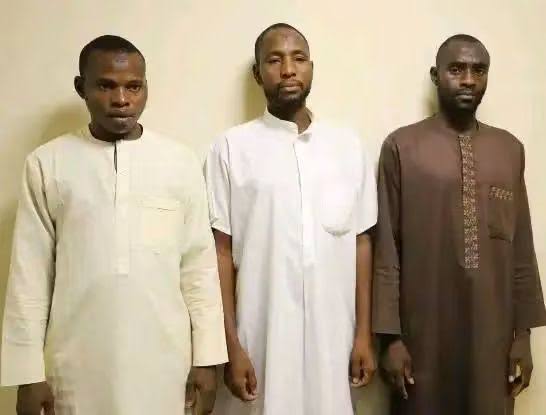
A Federal High Court in Abuja has sentenced three men connected to the abduction of pupils and teachers in Oriire Local Government Area of Oyo State to life imprisonment after they pleaded guilty to terrorism-related offences.
Justice Salim Ibrahim handed down the sentences after Abdulrazak Umar (also known as Abu Khalifa/Abu Khalid), Yunusa Musa (Yunusa bin Musa), and Shamsu Adamu Sani (Abu Itisar) admitted guilt to several counts filed by the Federal Government. The charges stemmed from their alleged involvement in the May 2026 abduction of schoolchildren and teachers in Oriire.
The court imposed life imprisonment on all three convicts for membership of a proscribed terrorist organisation and sentenced them to an additional 25 years for concealing information about the kidnapping plot. Umar, who pleaded guilty to four extra charges involving terrorist training, incitement, and related offences, received additional life sentences and a 20-year jail term on separate counts.
Although the defendants admitted guilt to six of the ten charges against them, they pleaded not guilty to the remaining four counts, including conspiracy and aiding the abduction. The court adjourned proceedings on those charges until September for trial.
The kidnapping, which occurred on May 15, saw dozens of pupils and teachers abducted from schools in Oriire LGA. Security forces later rescued the victims after weeks in captivity during a coordinated military operation that also led to the arrest of several suspected terrorists.

 News2 years ago
Hardship: We Plan To Establish A National Commodity Board To Crash Food Prices – VP Shettima
- News8 years ago
Blog Reader; Samson Osagiede Celebrates Fiancè Benedicta Daniels’s Birthday With Sweet Words
- Home10 years ago
News Channel claims Donald Trump is an orphan from Pakistan,share alleged childhood photo
- Home10 years ago
Another $175m Found in Patience Jonathan’s wife’s firm’s Bank Account
- Home10 years ago
Oil Spillage: House of Reps Member Shares Photos of the Water her Constituents Drink .
- Home10 years ago
Zara Buhari & Ahmed Indimi’s Wedding Access Card
 Sport8 years ago
Modric, Marta Wins 2018 FIFA Best Player Of The Year Awards ⚽️
- News8 years ago
The Best Video You’ve Seen Today?