News
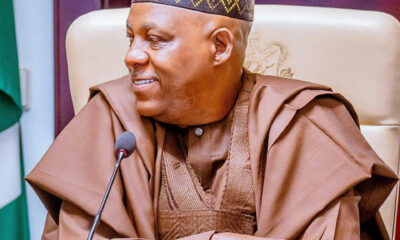
How I Was Arrested By My Own Men Without Them Knowing I was the Commissioner of Police – MD Abubakar


When I was commissioner of police in Lagos State, I took my job very seriously, especially on Saturdays.
One morning, instead of waiting for my usual 10 a.m. start, I woke up at 6 a.m. for an unannounced inspection.
Driving myself, I decided to check on officers along Herbert Macaulay Road. At a checkpoint, a young constable stopped me and asked:
> “Young man, where are you going with your father’s car?”
He demanded my papers and ID. I said my name was Mohammed and asked to see his ID first — he had none. He called their sergeant, who also had no ID but insisted we head to Yaba Police Station.
At the station, parking was full except the DPO’s spot. I parked there. The constable protested but I kept quiet.
Inside, they took me to an ASP wearing shorts at work. He told me to come in. I refused, saying he couldn’t interrogate me in casual clothes. He tried pulling me in, I pulled him back. When he finally looked closely, shock covered his face.
An elderly man in the station went to check the photo wall… saw my face there… and jumped out the window to escape. Soon, whispers spread:
> “This is the CP.”
Panic broke out — the ASP in shorts also escaped through the window.
Later, I was told the DPO, ASP, and the officers were detained awaiting my orders.
What upset me wasn’t the arrest — it was the lack of discipline and professionalism:
Officers without ID cards stopping citizens.
An ASP doing official duty in casual home wear.
That day proved to me that true leadership isn’t about sitting in an office. You must go out, see things for yourself, and make sure justice and discipline are upheld at every level.


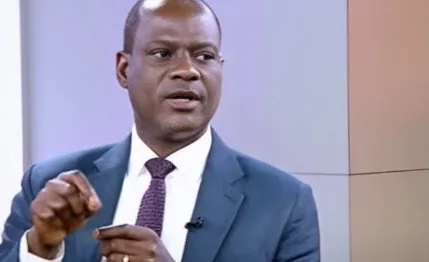
Minister of Finance and Coordinating Minister of the Economy, Taiwo Oyedele, has warned that persistent negative narratives, misinformation and damaging perceptions about Nigeria are discouraging investors, limiting business expansion and contributing to the loss of skilled professionals.
Oyedele made the remarks on Tuesday at the 2026 World Public Relations Forum in Abuja, where he described public trust as a major factor influencing investment decisions, economic growth and the implementation of government policies.
According to the minister, statements portraying Nigeria as a failed country go beyond social media commentary, as they can shape how international investors, businesses and skilled professionals perceive the country’s economic prospects.
He explained that weak public confidence could make investors demand higher returns to compensate for perceived risks, discourage businesses from expanding and encourage talented Nigerians to seek opportunities abroad.
Oyedele described trust as a foundation for economic activities, noting that citizens’ confidence in government influences their willingness to cooperate with policies, while investors rely on credible information when making financial commitments.
He, however, acknowledged that Nigerians have the right to criticise government, expose shortcomings and demand accountability, stressing that responsible communication should not be used as an excuse to silence public concerns.
The minister argued that Nigeria’s national image should reflect both its challenges and achievements, adding that improving public perception requires measurable results rather than publicity alone.
He also acknowledged the gap between official economic indicators and the everyday experiences of citizens.
Using inflation as an example, Oyedele referred to the reported October 2026 inflation rate of 14.06 per cent, which he described as the lowest in six years. He noted, however, that many Nigerians might not feel the impact of the decline because prices of essential goods such as bread and milk remain high.
He explained that a reduction in inflation does not necessarily mean prices are falling, but rather that the rate at which they increase is slowing down.
Oyedele also raised concerns about misinformation surrounding the Federal Government’s tax reforms, saying misleading information had affected public understanding of provisions intended to protect small businesses and exempt low-income earners.
He warned that sensational headlines and emotionally charged social media content often attract more attention than detailed explanations and factual corrections.
The minister further highlighted the growing threat of artificial intelligence-generated misinformation, noting that fabricated images, voices and documents could be used to mislead the public.
He urged public relations professionals to become involved in policy development from the beginning rather than being brought in only when government institutions or businesses face communication challenges.
Oyedele also called on media organisations, social media influencers and other information gatekeepers to verify information before sharing it and correct mistakes with the same level of attention given to their initial reports.
He maintained that rebuilding confidence in Nigeria would require government institutions and businesses to provide accessible information, respond to public concerns and demonstrate the practical benefits of their policies.
According to him, the credibility of the country’s image will ultimately depend on the actual experiences of citizens rather than the volume of publicity used to promote it.
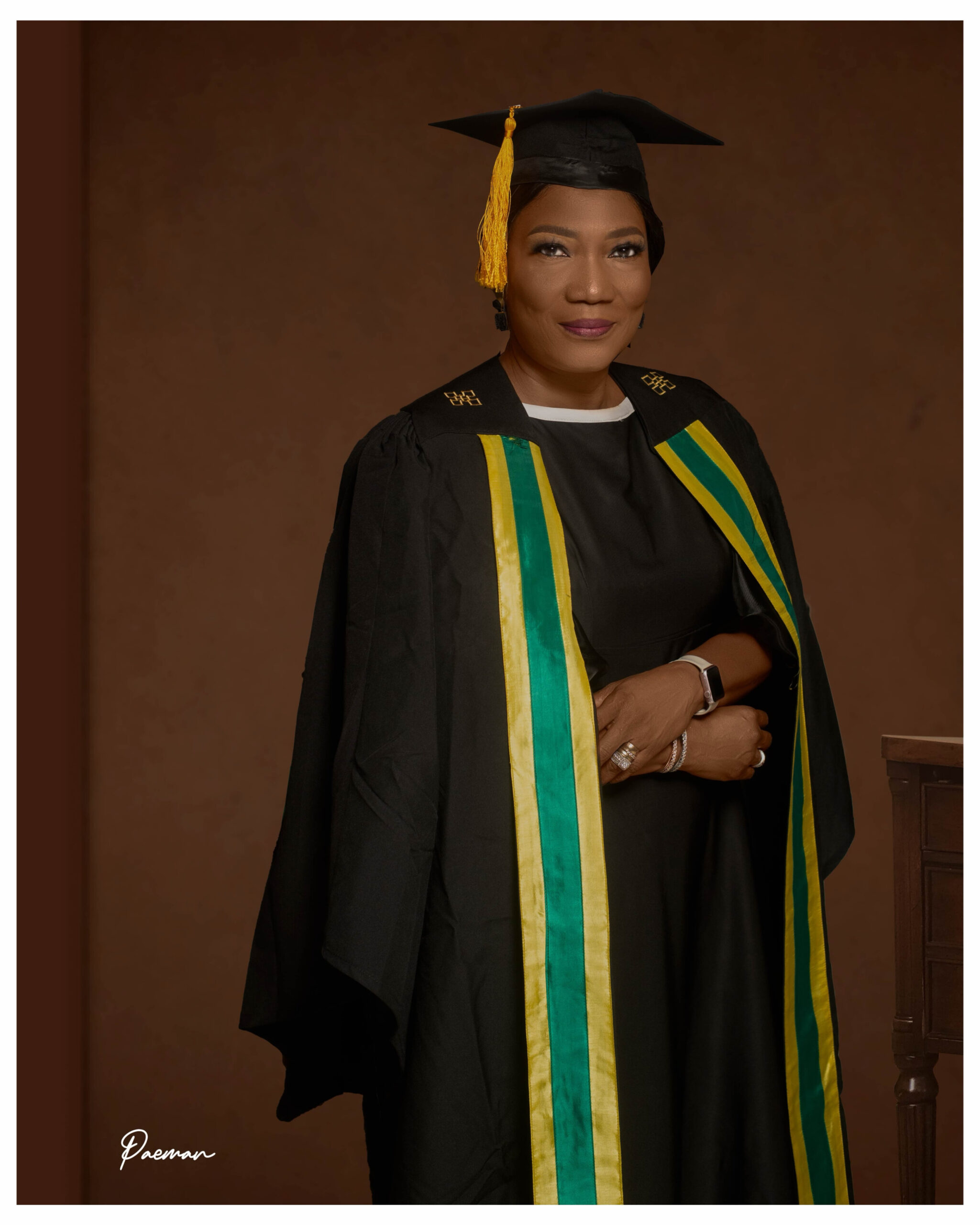
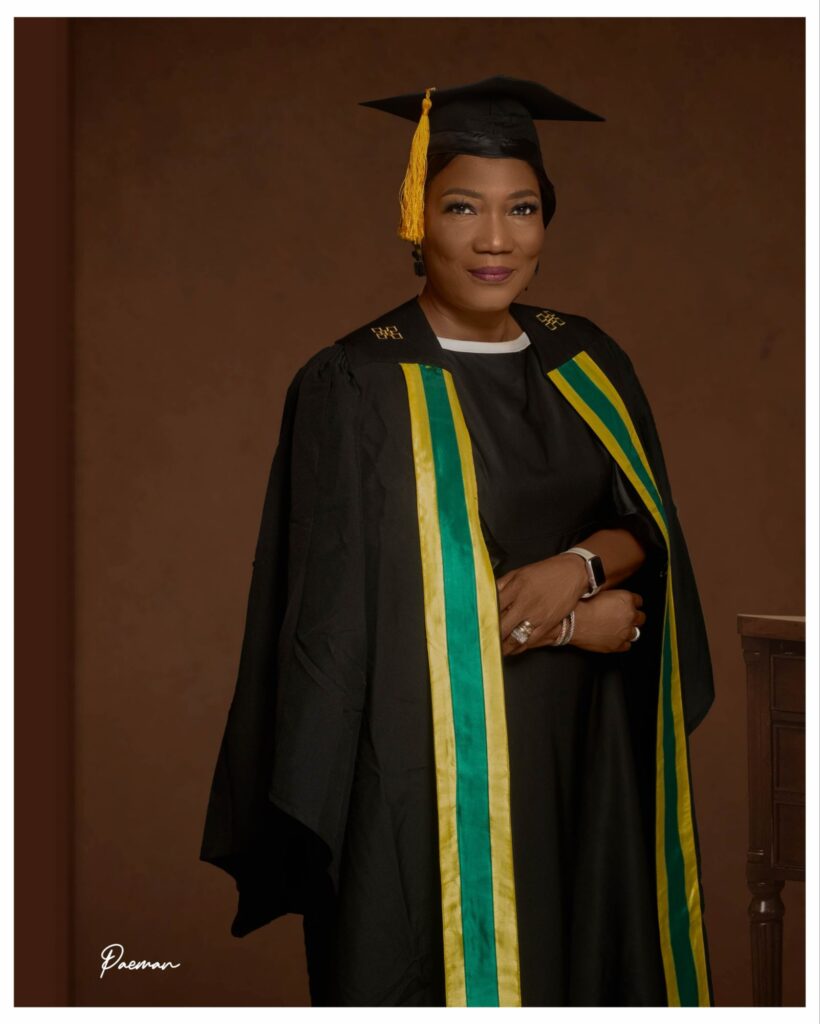
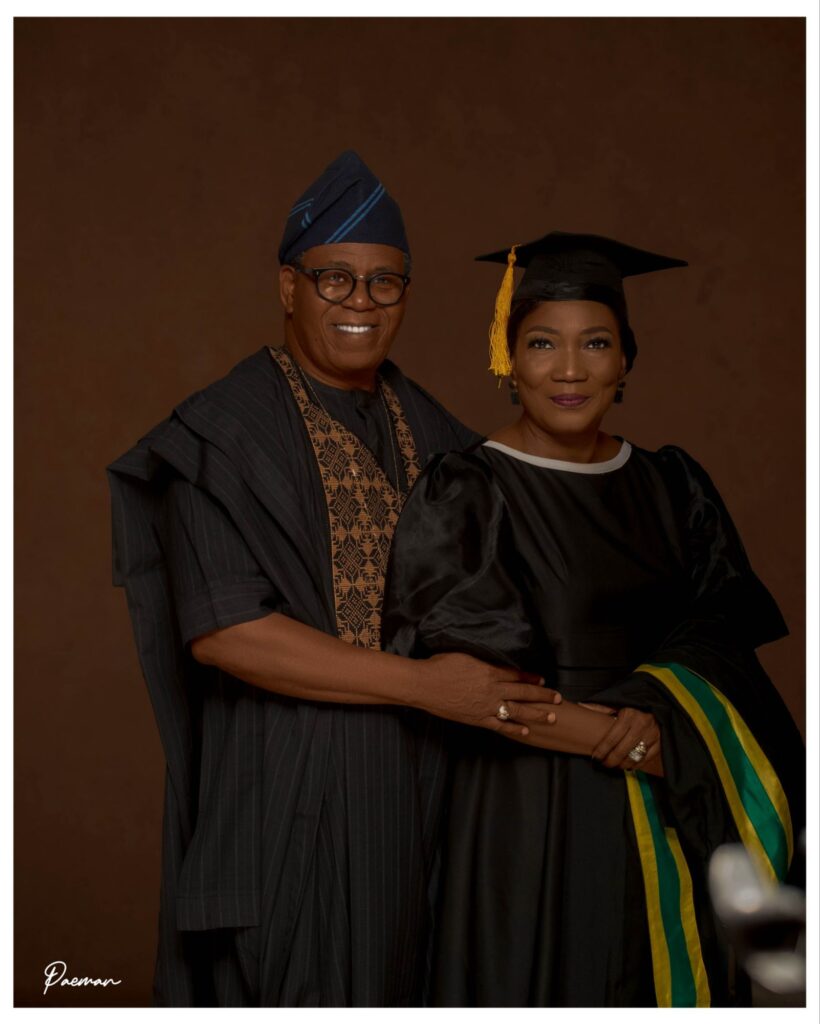
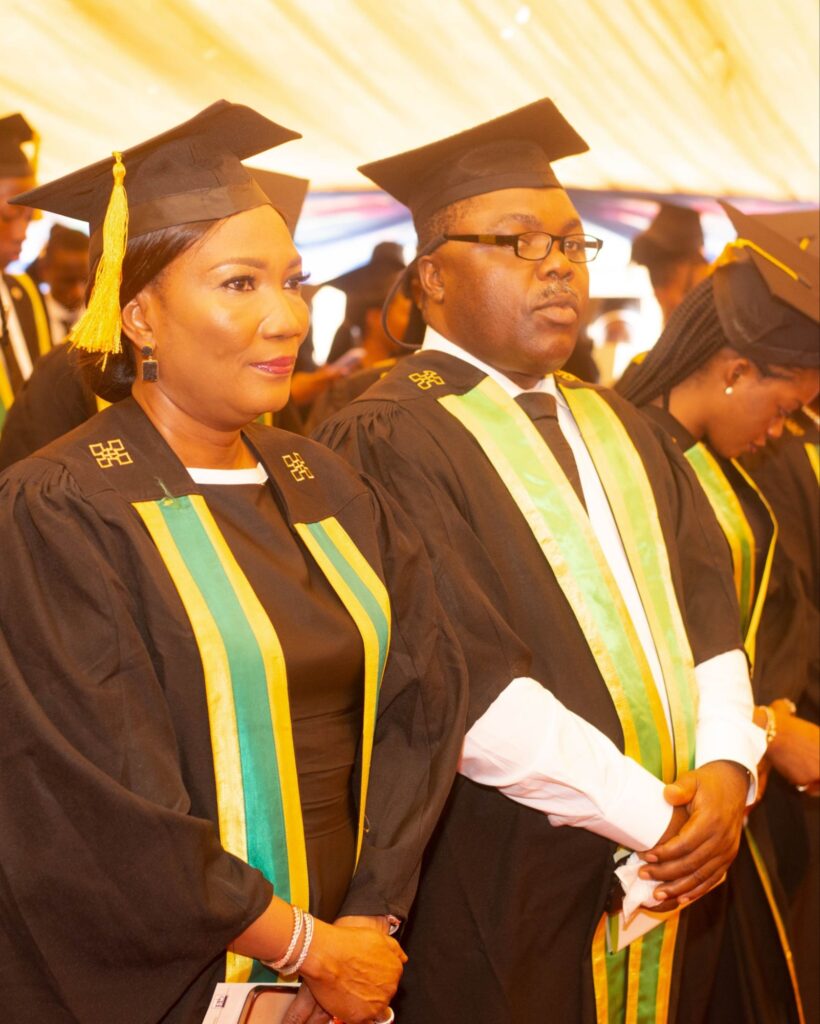
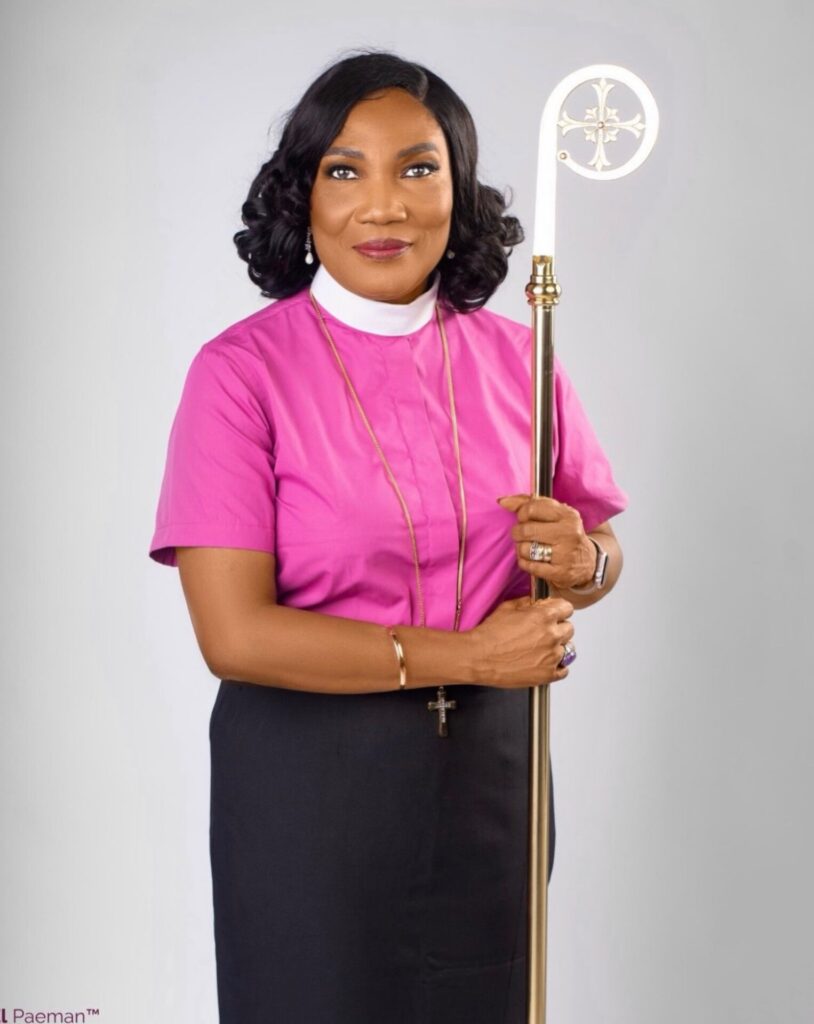
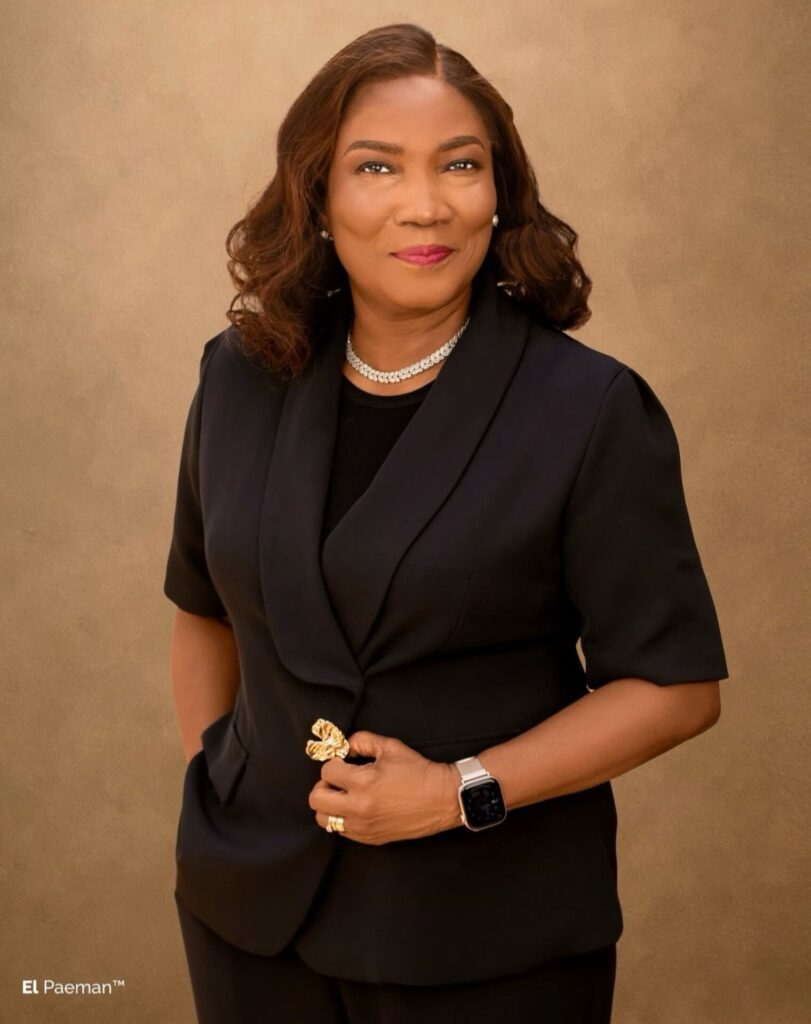
Nigerian cleric, author and philanthropist Bishop Funke Felix-Adejumo has graduated with First Class honours in Law, finishing as the top student in her class at age 63.
She enrolled at Elizade University in 2022, at the age of 59, marking a remarkable new chapter in her academic journey.
Her husband, Bishop Felix Remi Adejumo, announced the achievement in a social media post celebrating her outstanding performance.
Her decision to return to the classroom decades after earning a first degree in English Language from the University of Nigeria, Nsukka, has drawn widespread admiration.
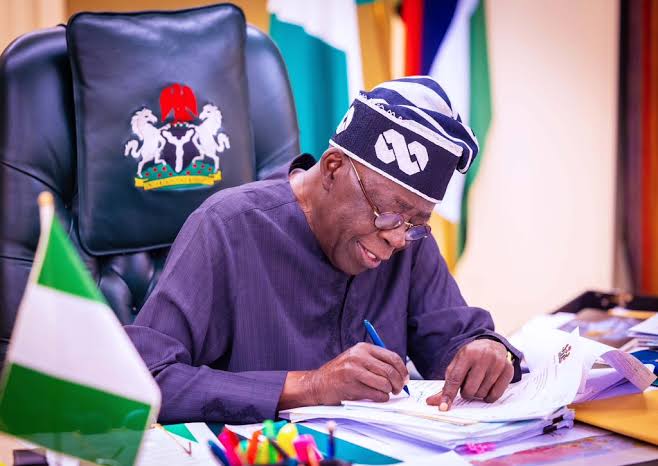
President Bola Tinubu has approved the acquisition of four additional satellites as the Federal Government moves to strengthen Nigeria’s space technology capabilities and expand its presence in Africa’s growing space industry.
The Minister of Innovation, Science and Technology, Dr Kingsley Udeh, disclosed this on Wednesday during a press conference in Abuja ahead of the 2026 African Space Economy, Innovation and Communication Conference (ASEICC).
Udeh said the procurement process had progressed to the stage of recommending successful bidders following an international competitive bidding exercise involving satellite manufacturing companies from China, Israel, Europe, the United States and Nigeria.
He explained that officials from the ministry, the National Space Research and Development Agency (NASRDA) and the Bureau of Public Procurement (BPP) had inspected facilities belonging to some of the participating manufacturers to verify their technical capabilities and other claims.
According to the minister, the next stage involves securing approval to award the contracts, which will also require clearance from the Federal Executive Council because of the significant financial commitment involved.
“The next stage is approval to award the contracts, which will also require Federal Executive Council approval because substantial funding is involved,” he said.
Udeh explained that the proposed satellites would provide services to Nigeria and other African countries interested in accessing their capabilities, creating opportunities for regional partnerships and revenue generation.
He added that the initiative was part of the government’s broader effort to strengthen Nigeria’s space infrastructure and develop local expertise in satellite technology.
The minister urged African countries to reduce their dependence on foreign manufacturers by investing in indigenous research, technical knowledge and the capacity to design and manufacture satellites within the continent.
He put the value of Africa’s space economy at more than $25 billion, with an estimated annual growth rate of 7.97 per cent, describing the sector as an important opportunity for investment, innovation and job creation.
Udeh also disclosed that Lagos State had allocated land in Epe for a proposed satellite propulsion and transportation facility, following a recommendation from an earlier edition of the African space conference.
He said the facility would support Nigeria’s long-term ambition to develop the infrastructure required for satellite manufacturing and launch activities within the country.
The minister made the disclosure ahead of ASEICC 2026, scheduled to hold from November 24 to 27 under the hosting of NASRDA. The conference is expected to attract representatives of African space agencies, international partners and other stakeholders in the space technology industry.
He said the gathering would provide an opportunity for countries to assess progress, exchange technical knowledge and explore areas of cooperation in developing Africa’s space capabilities.

 News3 years ago
Hardship: We Plan To Establish A National Commodity Board To Crash Food Prices – VP Shettima
- News9 years ago
Blog Reader; Samson Osagiede Celebrates Fiancè Benedicta Daniels’s Birthday With Sweet Words
- Home10 years ago
News Channel claims Donald Trump is an orphan from Pakistan,share alleged childhood photo
 Sport8 years ago
Modric, Marta Wins 2018 FIFA Best Player Of The Year Awards ⚽️
- Home10 years ago
Another $175m Found in Patience Jonathan’s wife’s firm’s Bank Account
- Home10 years ago
Oil Spillage: House of Reps Member Shares Photos of the Water her Constituents Drink .
- Home10 years ago
Zara Buhari & Ahmed Indimi’s Wedding Access Card
- Celebrities3 years ago
“Port Harcourt Has The Lousiest Men On Planet Earth” — Actress Sarah Martins Recounts How She Slapped A Married Man Who Asked Her For ‘H∞k Up’