News
Nigeria’s Electricity Subsidy Obligation Hits N1.92trn in 2025 — NERC

The Federal Government incurred a gross electricity tariff subsidy obligation of N1.928 trillion in 2025, according to the Nigerian Electricity Regulatory Commission (NERC).
The figure represents the amount required to bridge the gap between cost-reflective electricity tariffs and the lower rates approved for customers.
According to NERC’s 2025 industry report, the subsidy obligation represented 57.44 per cent of the total Nigerian Bulk Electricity Trading (NBET) invoice, averaging about N160.69 billion per month.
Subsidy Burden Declined Slightly
Despite the huge financial burden, the 2025 figure was slightly lower than the N1.949 trillion recorded in 2024.
NERC reported that the subsidy obligation stood at:
– N536.40 billion in the first quarter
– N514.36 billion in the second quarter
– N458.76 billion in the third quarter
– N418.79 billion in the fourth quarter
The quarterly figures show a gradual decline in the subsidy obligation as the year progressed.
Why Electricity Subsidy Remained High
NERC attributed the subsidy burden largely to the Federal Government’s policy of maintaining approved customer tariffs even as the cost of supplying electricity increased.
Because tariffs paid by many consumers remained below cost-reflective levels, the government was required to absorb the difference.
The commission said the gradual decline in the subsidy obligation was partly driven by lower energy off-take by electricity distribution companies (DisCos) and a higher proportion of electricity being allocated to Band A customers.
More Electricity Allocated to Band A
NERC disclosed that the share of energy allocated to Band A customers increased from 40 per cent to 45 per cent in the fourth quarter of 2025.
Band A customers are those expected to receive significantly longer daily electricity supply than customers in the lower service bands.
The shift in energy allocation formed part of efforts to improve the commercial performance of electricity distribution and encourage better service delivery.
DisCos Billed N2.99trn, Collected N2.32trn
NERC also reported significant collection challenges within the distribution segment of the electricity market.
The 11 DisCos collectively billed customers N2.988 trillion in 2025 but collected only N2.319 trillion, leaving an outstanding balance of approximately N669.49 billion.
The resulting collection efficiency stood at 77.60 per cent.
Eko DisCo recorded the highest collection efficiency at 87.90 per cent, closely followed by Ikeja DisCo at 87.89 per cent, while Kaduna DisCo recorded the lowest at 45.68 per cent.
Financial Pressure on Power Sector
The combination of tariff subsidies and collection inefficiencies continues to place pressure on the finances of Nigeria’s electricity market.
NERC warned that weak liquidity in the sector could limit the ability of market participants to invest in infrastructure and expand electricity supply.
The latest figures therefore highlight the continuing challenge of balancing affordable electricity tariffs for consumers with the need to ensure that electricity providers receive enough revenue to operate sustainably.
With the government absorbing more than N1.9 trillion in tariff shortfalls in 2025, the future of electricity pricing and subsidy policy remains a major issue for Nigeria’s power sector.

The North-East Development Commission (NEDC) has distributed 1,330 electric vehicles across Nigeria’s North-East region as part of efforts to reduce transportation costs, create employment opportunities and promote environmentally friendly mobility.
The vehicles comprise 1,000 electric tricycles, 300 electric taxis and 30 electric buses, which are expected to improve transportation services across the region’s six states: Adamawa, Bauchi, Borno, Gombe, Taraba and Yobe.
The NEDC Adamawa State Coordinator, Khalifa Lawan, disclosed this during a stakeholders’ engagement and sensitisation workshop on electric mobility and seamless commuting held in Yola.
Initiative Targets Affordable Transportation
Lawan explained that the initiative was designed to make transportation more affordable while creating business opportunities, particularly for young people seeking sustainable sources of income.
According to him, the commission’s intervention forms part of its broader mandate to accelerate development in the North-East through investments in infrastructure, education, skills acquisition and other essential sectors.
He said Adamawa State was expected to benefit from the deployment of electric tricycles, taxis and buses, which could help improve mobility and support economic activities within communities.
The programme is also expected to generate employment opportunities across the electric mobility sector, including vehicle operations, repairs, maintenance and charging services.
Charging Stations Needed for Success
Lawan stressed that establishing adequate charging infrastructure would be critical to the success of the project.
He disclosed that the commission planned to provide at least two or three electric vehicle charging stations in each of the six states, with the possibility of expanding the facilities as demand increases.
The Adamawa State Commissioner for Transport, Rumpe Anthony, also emphasised the need for sufficient charging points, raising concerns about the state’s unreliable electricity supply.
She said proper planning and infrastructure would be necessary to ensure that the vehicles operate efficiently and deliver the expected benefits to commuters and operators.
Electric Vehicles Offer Environmental Benefits
The Chief Executive Officer of Attahir Enterprise Nigeria Limited, Umar Bunu Abacha, described the initiative as an effort to develop a more efficient and sustainable transportation system.
He said stakeholder engagement was important to ensure that beneficiaries and transport operators understood how the programme would work and the responsibilities involved in maintaining the vehicles.
Workshop facilitator Emmanuel Mwada Wapah highlighted the potential environmental benefits of electric vehicles, including reduced exhaust emissions and noise pollution.
He added that the vehicles could travel up to 300 kilometres on a full charge, while charging could take approximately one hour under specified conditions.
The NEDC urged beneficiaries to maintain the vehicles properly to ensure their durability and long-term usefulness.
The initiative comes amid broader efforts by the Federal Government and state governments to promote alternative-energy transportation as a means of easing the burden of rising transport costs.
Its success will depend partly on the availability of reliable charging infrastructure, effective vehicle maintenance and the extent to which operational savings translate into lower fares for commuters.
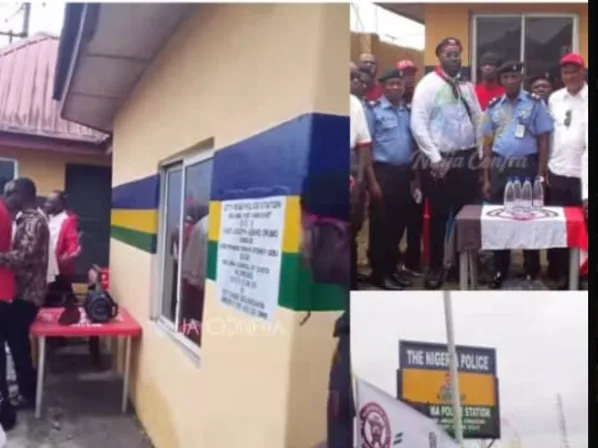
The Rivers State Police Command has removed the Divisional Police Officer (DPO) in charge of Abuloma Division and the officer overseeing the Abuloma Police Outpost following allegations that suspected cultists renovated the facility.
The command also ordered a full investigation to establish the circumstances surrounding the renovation, identify those who financed the project and determine whether any police personnel violated professional standards.
The development followed the circulation of a video on social media showing suspected cultists visiting the renovated outpost in Abuloma, Port Harcourt, on Thursday, October 15, 2026, to celebrate the completion of the project.
In a statement issued on Friday, the police said Commissioner of Police Olugbenga Adepoju had directed that both officers be queried and relieved of their duties pending the outcome of the investigation.
The statement was signed by the command’s spokesperson, ASP Agabe Kaborlo.
Police Investigate Funding and Approval of Renovation
According to the command, investigators will establish the identities and backgrounds of the individuals or groups that financed or facilitated the renovation.
The investigation will also determine which police officers authorised the project, whether the required procedures were followed and whether any personnel compromised the integrity of the Nigeria Police Force.
The police condemned any action or association capable of undermining the force’s discipline, professionalism and public confidence.
It warned that police facilities must not become platforms through which suspected criminal groups seek public recognition, influence or legitimacy.
Police Clarify Position on Community Donations
The command acknowledged that members of the public are permitted to support improvements to police facilities under Section 26(1)(d) of the Nigeria Police Act 2020, which provides for gifts and contributions to the Police General Fund.
However, it stressed that such contributions must follow established procedures and must not compromise police independence, security or professional standards.
The police added that accepting donations does not exempt anyone from investigation or prosecution where evidence of wrongdoing exists.
It also promised appropriate disciplinary and legal action against anyone found culpable after the investigation.
Viral Video Sparks Questions
The controversy emerged after videos circulated online showing a group of men at the renovated police outpost alongside some police officers.
The footage reportedly showed the individuals participating in what appeared to be a ceremony marking the completion of the renovation.
Some social media reports identified the group as members of a suspected cult organisation. However, the allegations surrounding their identity, involvement in the project and relationship with the police have yet to be conclusively established.
The police said the ongoing investigation would determine the facts of the incident and whether any laws or professional regulations were breached.
The command urged residents to remain calm and provide credible information to support efforts to tackle cultism and organised crime across Rivers State.
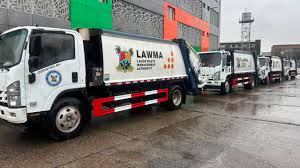
The Lagos Waste Management Authority (LAWMA) has announced plans to install surveillance cameras at strategic locations across Lagos State as part of efforts to curb indiscriminate waste disposal and strengthen environmental law enforcement.
The Managing Director and Chief Executive Officer of LAWMA, Dr Muyiwa Gbadegesin, disclosed the initiative during an interview on Lagos Talks 91.3 FM on Monday, October 12, 2026.
According to him, the planned deployment will complement an existing partnership with the Lagos State Command Centre to monitor environmental violations and identify individuals involved in illegal dumping.
Gbadegesin explained that the cameras would strengthen surveillance, discourage improper waste disposal and support the identification of offenders for appropriate sanctions under the law.
LAWMA to Strengthen Waste Collection
The LAWMA chief stressed that improving waste collection infrastructure alone would not guarantee a cleaner environment, noting that residents must also adopt responsible waste disposal habits.
He said the authority was combining technology, enforcement and public awareness campaigns to address persistent environmental sanitation challenges across the state.
Gbadegesin also disclosed that the arrival of 150 new waste trucks would improve waste collection and evacuation services in Lagos.
He added that LAWMA had introduced house-to-house waste collection interventions to address accumulated refuse following the disengagement of underperforming Private Sector Participants responsible for waste collection in some areas.
Residents Warned Against Illegal Dumping
The authority urged residents to patronise approved waste collection operators, package their refuse properly and report cases of indiscriminate dumping.
Gbadegesin emphasised that government investments in waste management equipment and infrastructure must be supported by public cooperation to achieve lasting improvements in environmental sanitation.
The authority is also pursuing improvements to waste transfer stations, material recovery facilities and recycling infrastructure as part of broader efforts to improve waste handling across Lagos.
LAWMA has further highlighted the potential of converting organic waste into useful energy, including electricity, through proposed waste-to-energy initiatives.
The planned surveillance camera deployment is expected to strengthen the authority’s monitoring and enforcement capacity as Lagos intensifies efforts to maintain cleaner communities and discourage environmental violations.

 News3 years ago
Hardship: We Plan To Establish A National Commodity Board To Crash Food Prices – VP Shettima
- News8 years ago
Blog Reader; Samson Osagiede Celebrates Fiancè Benedicta Daniels’s Birthday With Sweet Words
- Home10 years ago
News Channel claims Donald Trump is an orphan from Pakistan,share alleged childhood photo
 Sport8 years ago
Modric, Marta Wins 2018 FIFA Best Player Of The Year Awards ⚽️
- Home10 years ago
Another $175m Found in Patience Jonathan’s wife’s firm’s Bank Account
- Home10 years ago
Oil Spillage: House of Reps Member Shares Photos of the Water her Constituents Drink .
- Home10 years ago
Zara Buhari & Ahmed Indimi’s Wedding Access Card
- News8 years ago
The Best Video You’ve Seen Today?