Politics
Barau Jibrin Welcomes Governor Yusuf to APC, Pledges Cooperation for Kano Development

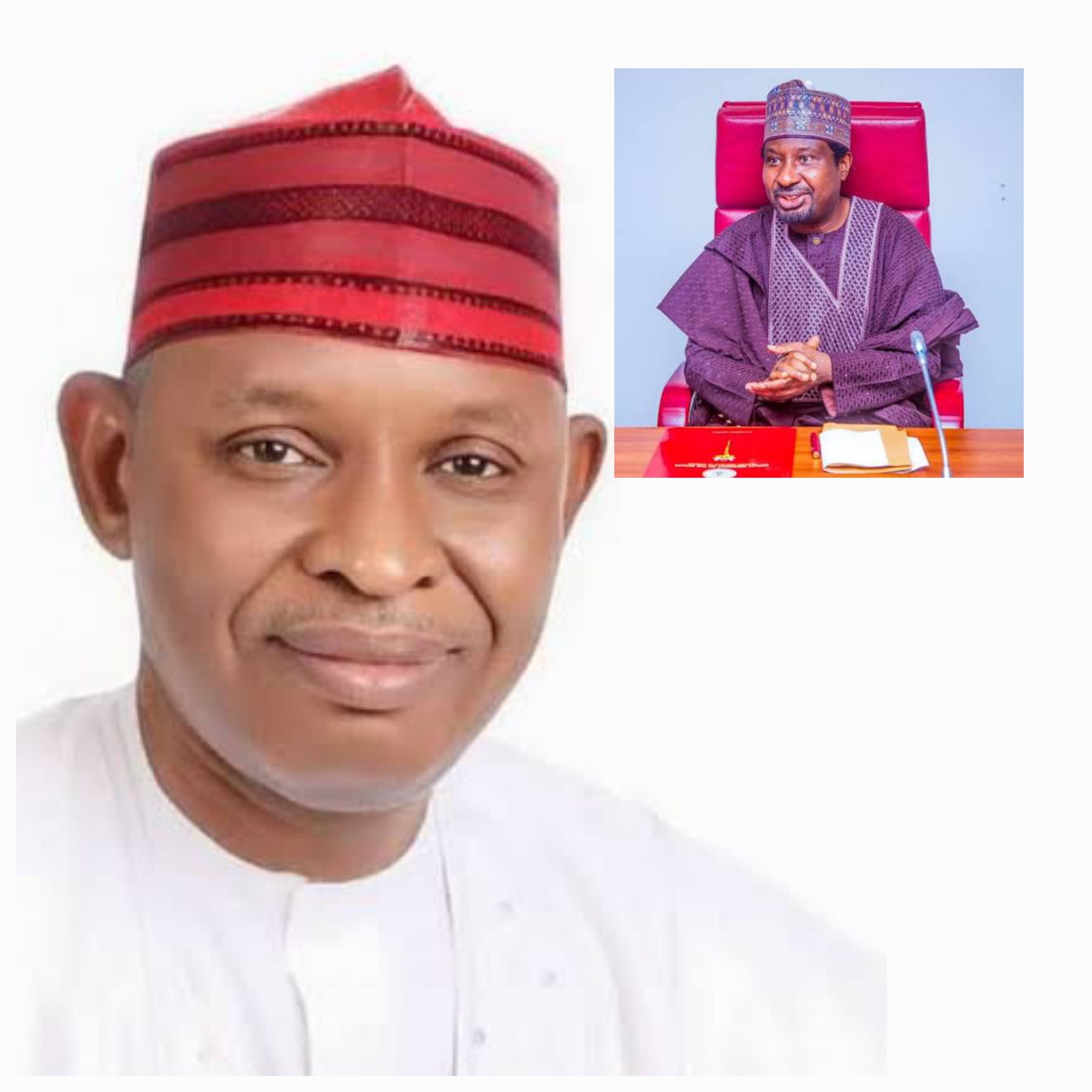
Deputy Senate President Senator Barau Jibrin has warmly welcomed Kano State Governor Abba Kabir Yusuf into the All Progressives Congress, pledging cooperation and unity for the development of Kano State despite underlying political tensions over the 2027 gubernatorial contest.
Senator Barau was among the high-profile dignitaries who witnessed Governor Yusuf’s formal defection from the New Nigeria People’s Party at an elaborate ceremony held on Monday at the Coronation Hall of the Government House in Kano.
The Deputy Senate President stood alongside former APC National Chairman and immediate past Kano Governor Abdullahi Umar Ganduje, Senator Kawu Sumaila, members of the National Assembly from Kano State, and other party stakeholders as the governor officially announced his political realignment with the ruling party.
According to reports from the ceremony, Governor Yusuf commended both Ganduje and Barau for their support during the defection process, acknowledging their roles in facilitating his return to the APC where he had previously been a member in 2014.
The visible show of unity between Barau and the governor at Monday’s event represents a significant political development, especially given widespread speculation about the Deputy Senate President’s own gubernatorial ambitions for 2027.
Political observers had anticipated potential friction between Yusuf and Barau following the governor’s demands for an automatic ticket for the next election, a condition that reportedly delayed his defection for several weeks as APC leadership refused to provide written guarantees.
Sources within the party revealed that Barau, who commands considerable grassroots support and institutional influence within Kano APC structures, has not abandoned his plans to contest the governorship in 2027, setting the stage for a potential showdown within the party.
However, during Monday’s ceremony, both leaders demonstrated political maturity by prioritizing party cohesion and the collective interests of Kano State over personal ambitions, at least publicly.
The APC State Chairman, Abdullahi Abbas Sanusi, has emphasized that the party will ensure unity between new members joining with Governor Yusuf and existing party structures, with strategic discussions planned to manage competing interests ahead of the 2027 primaries.
Governor Yusuf was received into the APC alongside 22 state lawmakers led by Speaker Jibril Ismail Falgore, eight federal legislators, all 44 local government chairmen, and 484 councilors, marking one of the most significant political realignments in northern Nigeria ahead of the next general elections.
The mass defection delivers a devastating blow to the NNPP, stripping the party of its only governorship seat and potentially reducing its viability as a national political platform.
The governor defended his decision during the ceremony, stating that rejoining the APC would strengthen cooperation with the Federal Government, accelerate infrastructural development, enhance security coordination, and improve service delivery across Kano State.
He described the move as a choice of progress over pride, development over stagnation, and stability over partisan interests, emphasizing that governance should not be constrained by party affiliation but driven by policies and alliances that benefit the people.
Despite the public display of unity, political analysts warn that Governor Yusuf faces significant challenges ahead as he navigates competing power blocs within the Kano APC, particularly those loyal to Ganduje and Barau, both of whom wield substantial influence within the party structures.


Former Vice President Atiku Abubakar has criticised the All Progressives Congress (APC)-led Federal Government, accusing the administration of worsening poverty and economic hardship across Nigeria.
Atiku made the remarks in a statement published on Thursday, October 1, 2026, where he questioned the economic direction of the country under the APC government.
The African Democratic Congress (ADC) chieftain argued that the administration’s economic policies had placed additional pressure on households and businesses, making it increasingly difficult for many Nigerians to meet their basic needs.
He maintained that government claims of economic progress should be measured against the living conditions of ordinary citizens rather than financial and economic statistics alone.
Atiku Questions Government’s Economic Performance
The former vice president has repeatedly criticised the Federal Government’s handling of the economy, particularly the removal of fuel subsidies and foreign exchange reforms.
In previous remarks, Atiku argued that rising petrol prices had increased transportation, production and food costs, leaving households with reduced purchasing power. He also called on President Bola Tinubu to consider measures that would ease the cost-of-living burden. (Channels Television)
He has also challenged the administration’s reliance on macroeconomic indicators to demonstrate progress, insisting that economic reforms should translate into improved living standards for Nigerians. (The Guardian)
Atiku’s latest criticism comes as political parties and their candidates continue preparations for the 2027 general elections, with the economy expected to remain a major issue in political discussions.
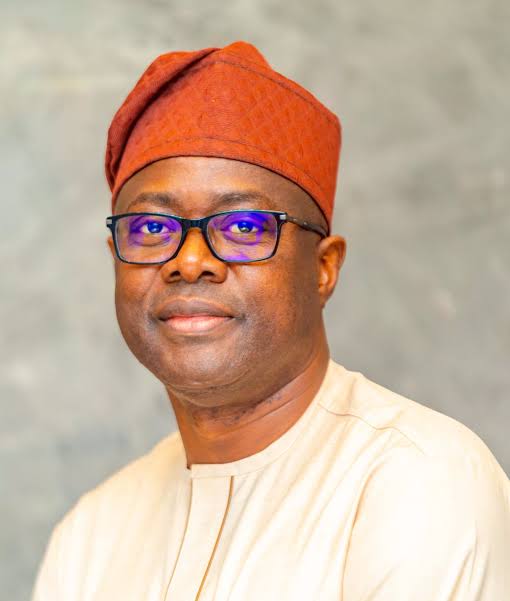
The presidential candidate of the Allied Peoples Movement (APM), Seyi Makinde, has said the outcome of the 2027 presidential election will be determined by Nigerian voters rather than wealthy individuals or the amount of money spent on campaigns.
Makinde made the statement on Monday at the APM North-Central Zonal Town Hall Meeting in Lafia, Nasarawa State, as part of the party’s engagements ahead of the 2027 election.
The Oyo State governor, who is campaigning under the “Reset Nigeria” agenda, said he did not believe the election would be decided by political commentators, opinion polls, the number of billionaires supporting candidates or the financial resources available to political campaigns.
According to him, the people of Nigeria would ultimately determine who emerges from the election.
Makinde also criticised the Federal Government’s handling of the economy, arguing that increased allocations to states had not necessarily translated into reduced hardship for citizens.
He acknowledged that states were receiving more money from the Federation Account but questioned whether the additional funds had resulted in meaningful progress in addressing hunger and other economic challenges.
The governor also spoke about Nigeria’s security situation, questioning the budgetary planning behind the establishment of additional army divisions. He said he had examined the 2026 budget for provisions relating to the new formations but could not identify the funding he expected for them.
Makinde outlines ‘Reset Nigeria’ agenda
The APM presidential candidate said his proposed “Reset Nigeria” programme would focus on four major areas: security, education, the economy and the country’s socio-political environment.
He said the programme could be implemented within four years if he becomes president, including changes to Nigeria’s security architecture and greater use of data and science in economic management.
Makinde further said his administration would commence a transition to a government of national unity from May 29, 2027, which he said would eventually lead to what he described as “new players and a new agenda” for Nigeria’s development.
The Lafia meeting formed part of the APM’s zonal consultations and political engagements ahead of the 2027 presidential election.

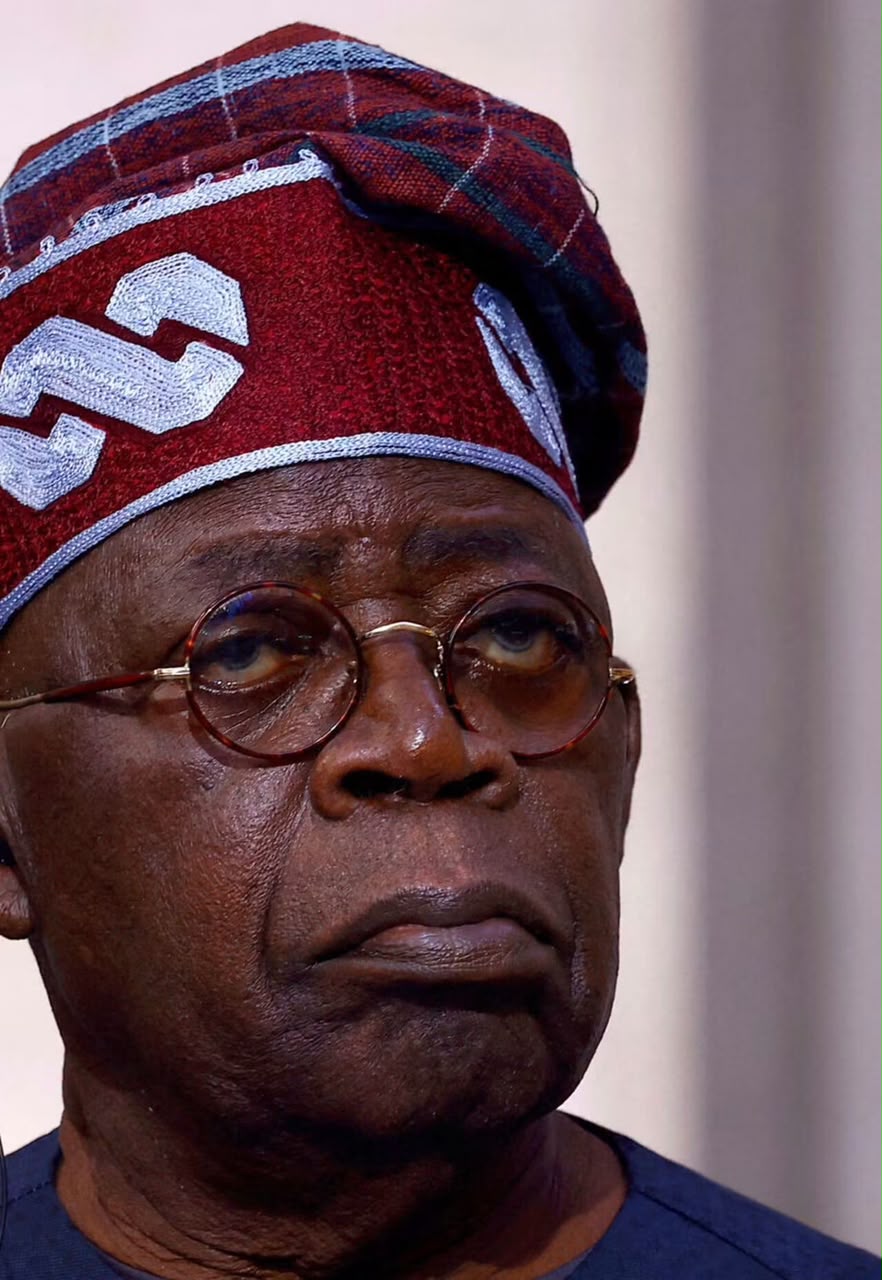
President Bola Tinubu has urged Nigerians not to lose hope in the country, assuring citizens that Nigeria is on the right path toward economic recovery, peace and sustainable development.
Tinubu made the remarks on Friday, September 25, 2026, during a special Juma’at prayer service at the National Mosque in Abuja, organised as part of activities marking Nigeria’s 66th Independence Anniversary. The President was represented at the event by the Speaker of the House of Representatives, Tajudeen Abbas.
According to Tinubu, his administration is addressing what he described as the “cumulative mistakes and missed opportunities” of previous governments. He said Nigerians had already endured the necessary sacrifices and that there was now “light at the end of the tunnel.”
“Nigerians have finished making sacrifices for this country to be great again.”
He further assured citizens that “peace is coming back to this country” and “development is coming back to this country,” adding that things would get better as Nigeria progresses in its democracy.
Tinubu also called for continued support for his administration, saying Nigerians should give the government more opportunity to complete the reforms and programmes it has begun.
Bola Tinubu’s remarks come as Nigerians prepare to mark the country’s 66th Independence Anniversary, with economic hardship, security and the effects of ongoing reforms remaining major issues in the national conversation.

 News3 years ago
Hardship: We Plan To Establish A National Commodity Board To Crash Food Prices – VP Shettima
- News8 years ago
Blog Reader; Samson Osagiede Celebrates Fiancè Benedicta Daniels’s Birthday With Sweet Words
- Home10 years ago
News Channel claims Donald Trump is an orphan from Pakistan,share alleged childhood photo
 Sport8 years ago
Modric, Marta Wins 2018 FIFA Best Player Of The Year Awards ⚽️
- Home10 years ago
Another $175m Found in Patience Jonathan’s wife’s firm’s Bank Account
- Home10 years ago
Oil Spillage: House of Reps Member Shares Photos of the Water her Constituents Drink .
- Home10 years ago
Zara Buhari & Ahmed Indimi’s Wedding Access Card
- News8 years ago
The Best Video You’ve Seen Today?